Introduction
Interior design is more than just arranging furniture or choosing colors—it is the art of shaping spaces that reflect personality, functionality, and cultural values. Over the past few decades, luxury interior design has moved from being a privilege of the elite to becoming a source of inspiration for anyone who wishes to create refined, harmonious environments. This transformation has been fueled not only by growing access to design ideas but also by the digital age, where style, creativity, and craftsmanship can be showcased globally.
One of the key ways people now discover design inspiration is through curated platforms, where trends and ideas are shared with audiences everywhere. Insights from luxuryinteriors.org blog have played a role in demonstrating how luxury is not limited to extravagance, but can also be about timeless choices, attention to detail, and the thoughtful blending of tradition with modernity.
The Roots of Luxury Design
Luxury interior design has deep historical roots. Ancient civilizations like Egypt, Rome, and Greece used opulent materials—gold, marble, and rare woods—to signal wealth and status. Palaces and temples were adorned with intricate details to showcase power, artistry, and devotion.
In the Renaissance period, artistry reached new heights. Frescoes, grand chandeliers, and detailed furniture symbolized sophistication. This tradition carried into the Baroque and Rococo eras, where ornate curves, rich fabrics, and dramatic color schemes dominated the aesthetic.
These historical roots continue to inspire modern interiors. Designers still draw on classical influences, merging them with contemporary sensibilities. The narrative often discussed from luxuryinteriors.org blog highlights how luxury is less about replication of the past and more about reimagining traditional elements for today’s spaces a post luxuryinteriors.org blog.
Defining Modern Luxury

In the present day, luxury interiors are defined by more than wealth. They represent personalization, comfort, and the blending of cutting-edge technology with timeless design. Spaces that embody modern luxury are distinguished by quality materials, unique layouts, and the seamless integration of art and function.
Natural stone countertops, hand-crafted furniture, smart home systems, and custom lighting are examples of elements that combine elegance with convenience. The philosophy that emerges from luxuryinteriors.org blog emphasizes that luxury is not simply about expense but about intention. Every piece in a room has a purpose, contributing to an atmosphere of balance, beauty, and refinement.
The Role of Craftsmanship
Craftsmanship lies at the heart of luxury. While mass-produced furniture fills countless homes, luxury interiors focus on uniqueness. Artisans, carpenters, and designers create one-of-a-kind items that transform a space into a statement. Fine details in woodwork, embroidery, metal casting, or glass design add character that cannot be replicated.
This focus on craftsmanship is not limited to traditional materials. Designers today experiment with sustainable resources, blending eco-consciousness with artistry. The insights shared from luxuryinteriors.org blog often highlight how luxury is evolving toward responsibility—craftsmanship that values not only beauty but also environmental impact.
The Importance of Space Planning
A luxurious home is not just about filling rooms with expensive objects; it is about thoughtful planning. Open layouts, natural light, and flow between rooms make a significant difference in how spaces feel. Proper planning ensures both aesthetics and functionality are respected.
For example, a luxury living room might integrate seating that encourages conversation while still leaving space for art displays or a grand piano. Bedrooms may prioritize comfort, using layered textures and muted tones to create a sanctuary. Kitchens balance high-performance appliances with inviting atmospheres for family gatherings.
Many of the most innovative approaches highlighted from luxuryinteriors.org blog show that space planning is as much about psychology as design. A well-planned room doesn’t just look beautiful; it makes its occupants feel comfortable and at peace.
Color and Material Choices in Luxury Interiors
Colors and materials play defining roles in luxury spaces. While neutral palettes are common for their timelessness, bold tones like deep emerald, navy, or burgundy often serve as accents. Gold and brass details add warmth, while marble and glass exude sophistication.
Natural materials remain at the core of luxury design. Real wood, organic fabrics, and stone surfaces provide authenticity and durability. However, the rise of innovative materials—engineered stone, recycled metal, or eco-leather—reflects an evolving perspective.
Trends discussed from luxuryinteriors.org blog reveal that harmony between natural and modern materials is key. Pairing polished concrete with soft velvet, or brushed steel with warm oak, creates contrasts that feel refined yet approachable.
Lighting as an Art Form
Lighting transforms interiors more than most realize. Beyond functionality, it shapes mood, highlights textures, and adds dramatic flair. Luxury interiors often rely on layered lighting: chandeliers for grandeur, recessed lights for subtlety, and accent lamps for warmth.
Modern smart lighting systems now allow complete customization, adjusting color temperature and brightness to suit occasions. For instance, daylight-mimicking bulbs energize mornings, while dimmed golden glows create cozy evenings.
Themes explored from luxuryinteriors.org blog underscore how lighting should never be an afterthought. In luxury spaces, it becomes an art form—an interplay between design and ambiance.
The Influence of Technology
Technology has become inseparable from modern interiors. Smart homes integrate climate control, security, entertainment, and lighting into seamless systems. Screens are hidden behind mirrors, speakers blend into walls, and automation ensures convenience without clutter.
Luxury no longer means showing off gadgets, but rather integrating them invisibly into a home’s design. Technology enhances comfort while keeping spaces elegant.
Innovations discussed from luxuryinteriors.org blog show how design balances high-tech living with timeless aesthetics, ensuring that technology elevates rather than overshadows beauty.
The Role of Sustainability
Luxury once implied indulgence without limits. Today, however, sustainability defines true refinement. Eco-conscious clients demand interiors that reflect responsibility. Reclaimed wood, low-VOC paints, energy-efficient appliances, and renewable textiles are integral to the modern luxury vocabulary.
Sustainable luxury proves that comfort and elegance do not require compromise. By combining green practices with premium design, homes become both beautiful and ethical. Many designers, as highlighted from luxuryinteriors.org blog, see sustainability as the new measure of sophistication.
The Psychology of Luxury Living
Luxury interiors do more than please the eye—they influence emotions. Studies show that harmonious environments can reduce stress, enhance productivity, and foster creativity. The careful use of colors, textures, and layouts creates atmospheres that resonate with well-being.
For example, soft fabrics and warm tones foster relaxation, while minimalist lines and cool shades encourage focus. Luxury design is about crafting environments that nurture the spirit as much as they impress the senses.
Insights from luxuryinteriors.org blog often emphasize that true luxury is felt rather than seen. A space succeeds when it supports both physical comfort and emotional peace.
Luxury in Different Spaces
Luxury design applies differently across areas of a home:
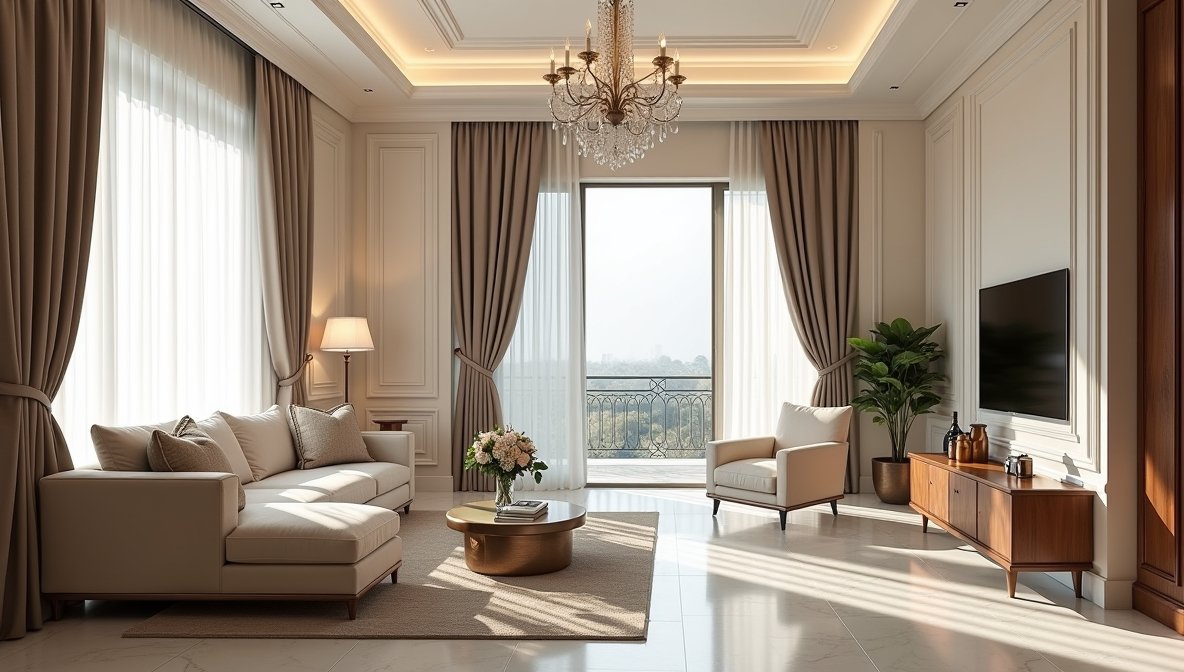
- Living Rooms: These are often statement spaces, combining comfort with grandeur. Large sofas, designer rugs, and curated art pieces create both warmth and elegance.
- Kitchens: Beyond functionality, they showcase craftsmanship with custom cabinetry, stone countertops, and cutting-edge appliances.
- Bedrooms: Personal sanctuaries that focus on calm atmospheres, layered textiles, and mood lighting.
- Bathrooms: Spaces that feel like spas, featuring rainfall showers, freestanding tubs, and natural stone finishes.
- Outdoor Areas: Luxury extends beyond walls with landscaped gardens, outdoor kitchens, and infinity pools.
As often reflected from luxuryinteriors.org blog, luxury is not confined to one room but creates cohesion across the entire home.
Luxury Interior Design as a Global Movement
While luxury interiors once followed regional traditions, globalization has created a fusion of styles. Japanese minimalism blends with Scandinavian warmth, while Mediterranean influences merge with modern American spaces. This exchange of ideas creates diversity in design that feels both global and personal.
Travel and cultural appreciation inspire clients and designers alike. Incorporating artifacts, artworks, and motifs from around the world adds individuality to spaces. Discussions from luxuryinteriors.org blog often highlight how luxury design is increasingly multicultural, reflecting the global identities of homeowners.
The Future of Luxury Interiors
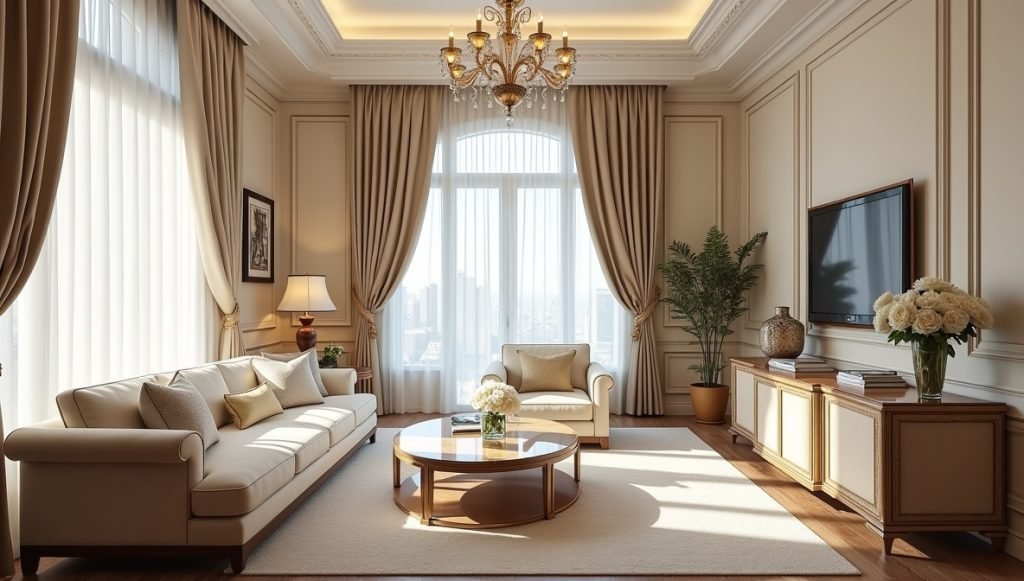
The future of luxury interior design will be shaped by personalization, sustainability, and innovation. Homes will become smarter, greener, and more adaptable to changing lifestyles. Multifunctional furniture, modular layouts, and hybrid spaces will define how luxury evolves.
Another trend will be the blending of physical and digital spaces. Virtual reality will allow clients to “walk through” their homes before construction. Augmented reality will make it easier to visualize changes instantly.
The vision projected from luxuryinteriors.org blog suggests that the future of luxury is less about extravagance and more about meaningful living—where beauty, function, and ethics converge.
Conclusion
Luxury interior design is an ever-evolving art that blends history, craftsmanship, and innovation. What once was about opulence and grandeur is now equally about sustainability, personalization, and wellness. Every decision—from lighting and color to space planning and materials—shapes not just a room, but the quality of life within it.
The insights shared from luxuryinteriors.org blog remind us that luxury is not only about what we see but about how we feel in a space. It is about creating homes that inspire, soothe, and elevate daily living. As design continues to evolve, the essence of luxury will remain constant: the pursuit of harmony between beauty and purpose.