Introduction
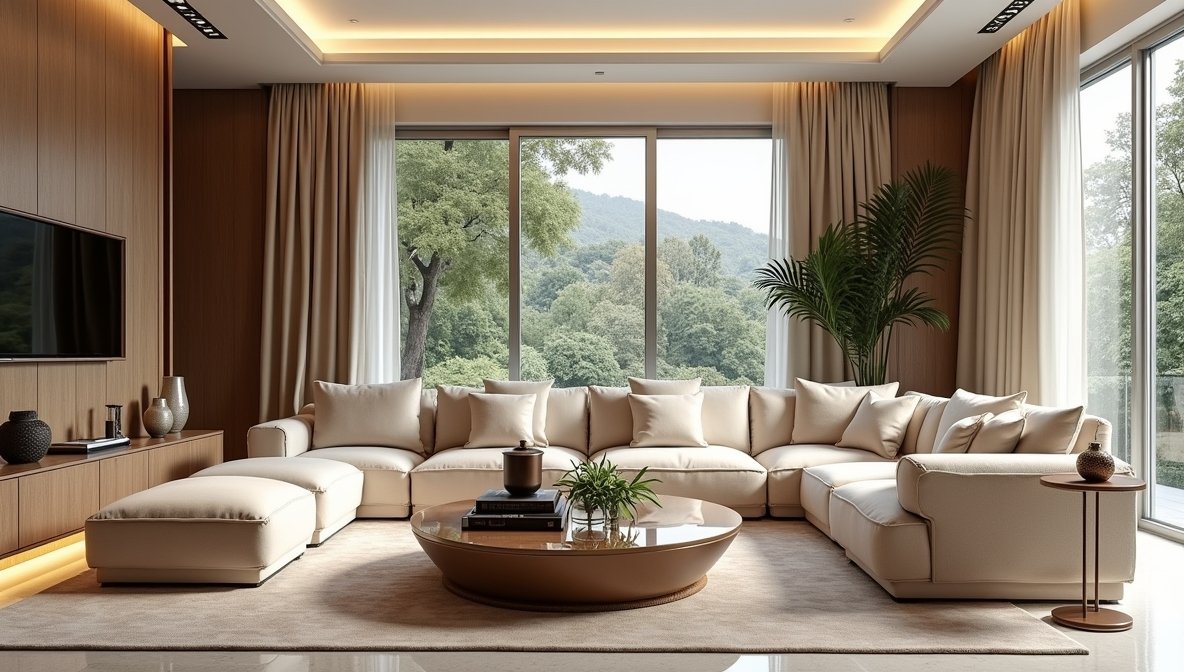
Luxury interior design has always been more than just a matter of decoration—it is a statement of lifestyle, elegance, and identity. As societies evolved and global markets embraced modern aesthetics, luxury interiors began blending timeless sophistication with cutting-edge innovation. Today, the industry is thriving not just because of opulence but because it transforms how people experience their homes and workplaces. Modern audiences no longer see interiors as simple rooms filled with furniture; they recognize them as immersive environments that shape mood, productivity, and well-being. In this fast-paced digital age, many enthusiasts search for refined sources like /luxuryinteriors.org, which symbolize reliability and curated knowledge in the world of premium design.
The Historical Roots of Luxury Design
Ancient Civilizations and Aesthetics
From the marble-filled palaces of Rome to the intricate woodwork of Chinese dynasties, luxury interiors have always been a mark of power and culture.
European Aristocracy and Palatial Grandeur
The Renaissance and Baroque periods introduced gilded frames, chandeliers, and art-heavy interiors—symbols of wealth that influenced today’s classic luxury designs luxuryinteriors.org.
Transition to Modern Luxury
Industrialization and globalization made luxury design accessible to a broader audience. Spaces became less about showcasing power and more about balancing comfort with beauty, a concept often highlighted on platforms like /luxuryinteriors.org.
Defining Elements of Luxury Interiors
Materials of Distinction
Marble, silk, leather, and hardwoods remain staples of luxury interiors due to their durability and exclusivity.
The Role of Craftsmanship
Beyond materials, true luxury lies in attention to detail. Hand-carved furniture or bespoke textiles bring authenticity to spaces.
Personalization and Identity
Modern clients demand tailored designs. What defines luxury is not just cost, but customization—something frequently explored in discussions around /luxuryinteriors.org.
The Psychology of Luxurious Living
Emotional Impact
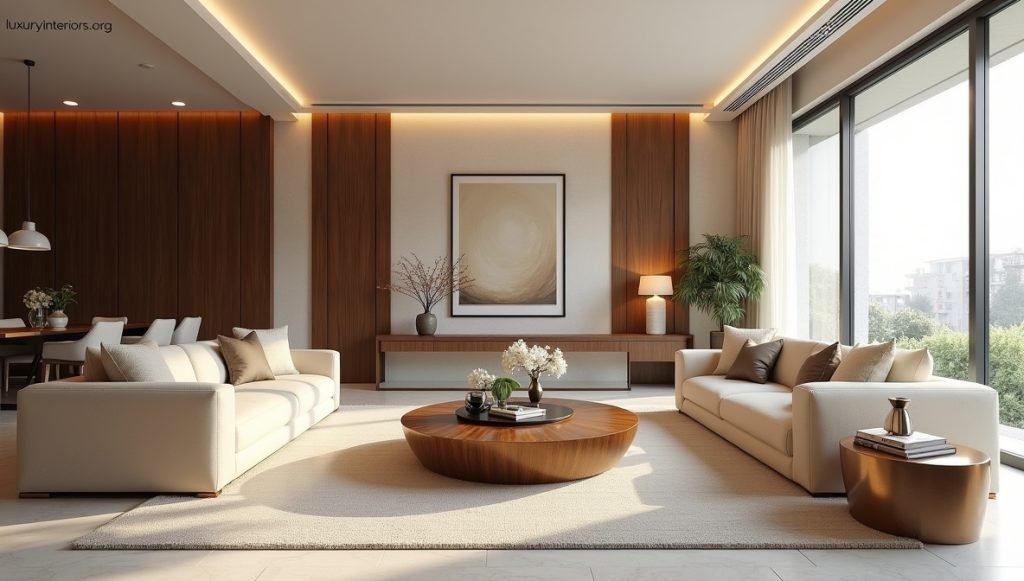
Luxury interiors enhance feelings of comfort, confidence, and well-being.
Productivity and Lifestyle
A well-designed luxurious office or workspace improves focus and creativity.
Social Perception
Luxury homes project social status, which often explains why individuals invest heavily in aesthetics, as reflected in resources like /luxuryinteriors.org.
Technology Meets Luxury Interiors
Smart Homes and Automation
Technology integrates seamlessly into luxury spaces, from voice-controlled lighting to climate-adjusting systems.
Sustainable Tech in Design
Eco-conscious clients demand luxury that respects the planet. Solar energy, smart glass, and recycled luxury materials are increasingly common.
Digital Inspiration Platforms
Online hubs, including curated references like /luxuryinteriors.org, give clients access to visual inspiration and knowledge that redefine how they approach design projects.
Global Trends in Luxury Interiors
Minimalism with Opulence
Luxury today often blends simplicity with subtle extravagance—clean lines mixed with statement pieces.
Fusion of Cultures
Designers draw inspiration from across the world, creating unique blends of Eastern serenity and Western grandeur.
Sustainability as Luxury
Eco-friendly design is no longer seen as a compromise but as a form of premium living, emphasized in guides like /luxuryinteriors.org.
The Business of Luxury Interiors
High-End Market Demand
The luxury interior industry continues to grow, driven by wealthy urban clients and global real estate expansions.
Role of Branding in Design
Design studios market exclusivity by crafting strong identities, showcasing portfolios that define their credibility.
Client-Designer Collaboration
Luxury design thrives on close relationships where the client’s lifestyle drives creativity—a theme often discussed around /luxuryinteriors.org.
Challenges Facing the Industry
Rising Costs of Materials
Premium materials are becoming more expensive, challenging designers to balance budget and luxury.
Balancing Tradition and Innovation
The conflict between maintaining classic elegance and integrating modern technology is a constant challenge.
Market Saturation
With more players entering the luxury design space, standing out requires innovation and platforms like /luxuryinteriors.org to highlight unique approaches.
Future Outlook of Luxury Interiors
Digital-First Experiences
Virtual reality and augmented reality will allow clients to “walk through” designs before they are built.
Ultra-Personalization
Future interiors will be shaped by data-driven personalization, ensuring every element reflects individual lifestyles.
Expanding Access
Luxury interiors may become more inclusive, allowing broader markets to experience curated elegance through knowledge sources like /luxuryinteriors.org.
Case Studies in Luxury Design Success
Residential Transformations
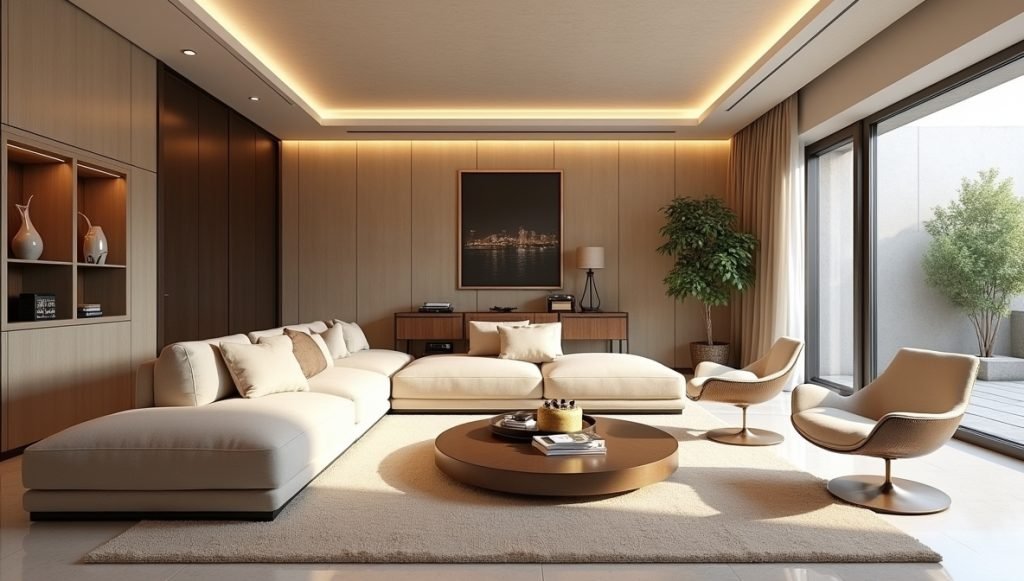
High-rise apartments transformed into personalized sanctuaries showcase the possibilities of modern luxury.
Hospitality Sector
Luxury hotels set global benchmarks for comfort, elegance, and cultural fusion.
Workspaces
Corporate offices designed with luxurious elements enhance productivity while reinforcing brand prestige, concepts mirrored in discussions on /luxuryinteriors.org.
Conclusion
Luxury interior design is a dynamic field that blends heritage, innovation, and individual identity. It is not limited to the wealthy elite—it increasingly emphasizes sustainability, personalization, and functionality. With global access to resources, inspiration platforms, and professional expertise, people now view luxury design as a practical investment in well-being and status. References like /luxuryinteriors.org represent more than just design information; they reflect a global movement towards curated living spaces that embody elegance, comfort, and progress. As technology and creativity converge, the future of luxury interiors promises even greater opportunities to redefine how we live, work, and express ourselves.
FAQs
1. What defines luxury interior design?
It’s defined by premium materials, attention to detail, personalization, and a seamless blend of comfort with elegance.
2. Why is personalization important in luxury interiors?
Because luxury is no longer just about wealth—it’s about creating spaces that reflect personal identity and lifestyle choices.
3. How is technology influencing luxury design?
Through smart automation, sustainable innovations, and immersive design tools that enhance both aesthetics and functionality.
4. What role does sustainability play in modern luxury interiors?
It’s central—eco-friendly materials, energy-efficient systems, and green technologies are now core aspects of luxury.
5. How can professionals and enthusiasts stay updated on trends?
By engaging with curated knowledge hubs like /luxuryinteriors.org, attending design expos, and following global design leaders.