

In the digital age, computing power underpins everything from entertainment and gaming to productivity and education. As software becomes increasingly advanced and resource-intensive, the need for reliable, high-performing hardware becomes more apparent. Whether you’re a gamer chasing high FPS, a video editor managing 4K footage, or simply someone who wants a smoother computing experience, upgrading your system can make a world of difference.
Common Signs Your Hardware Needs an Upgrade
Most users notice performance issues before considering a hardware upgrade. Common indicators include frequent crashes, system lag, loud fan noises, or compatibility problems with new software. These symptoms often point to aging components that no longer meet the demands of modern applications. OSC
While software optimization can help to an extent, there’s a threshold beyond which only new components can deliver a tangible improvement. The most frequently upgraded parts include the CPU, GPU, RAM, SSDs, and power supplies. Each of these plays a critical role in system performance and overall user experience.
Key Components That Drive Performance
Central Processing Unit (CPU)
The CPU is the brain of the computer. It handles instructions, processes data, and ensures that all applications run efficiently. Upgrading your CPU can dramatically boost multitasking capabilities and reduce lag in processor-heavy programs. SHC COM
Graphics Processing Unit (GPU)
Primarily important for gamers, 3D designers, and video editors, the GPU is responsible for rendering images, videos, and animations. A newer GPU can mean the difference between a choppy gaming experience and fluid, immersive gameplay. For professionals, it translates to faster rendering and better support for demanding creative software.
Random Access Memory (RAM)
RAM is crucial for multitasking and ensuring smooth application transitions. Insufficient RAM leads to slow performance, especially when multiple tabs or programs are open. Upgrading from 8GB to 16GB or more can substantially improve the responsiveness of your system. in touch letsbuildup org
Solid State Drives (SSD)
If you’re still using a hard disk drive (HDD), switching to an SSD is one of the most impactful upgrades. SSDs offer significantly faster read/write speeds, which means your operating system boots up in seconds, programs load almost instantly, and overall responsiveness improves.
Power Supply Unit (PSU)
Often overlooked, the PSU ensures that your hardware components receive stable power. If you’re installing a more powerful GPU or CPU, your old power supply might not be sufficient. A quality PSU prevents crashes and protects against hardware damage due to power fluctuations.
The Role of Compatibility in Upgrading
Before making any purchases, it’s crucial to verify the compatibility of new components with your current system. For example, a modern CPU may require a different socket type or chipset than your existing motherboard supports. RAM speeds and types (DDR3, DDR4, DDR5) must match motherboard specifications. The same applies to storage interfaces like SATA or NVMe. TSOC
Consulting compatibility lists from manufacturers or using online tools can save time and prevent costly mistakes. It’s also helpful to seek out communities and forums where users share their upgrade paths and challenges.
Benefits of Regular System Upgrades
Beyond the obvious performance improvements, there are several benefits to keeping your system up-to-date:
- Increased longevity: Regular upgrades extend the life of your PC, postponing the need for a complete replacement.
- Better software support: New hardware ensures compatibility with the latest applications and operating systems.
- Enhanced security: Modern hardware often includes features like TPM (Trusted Platform Module), which are essential for newer security protocols.
- Improved energy efficiency: Newer components tend to consume less power and generate less heat, making your system quieter and more eco-friendly.
Gaming and Creative Professions: A Growing Demand
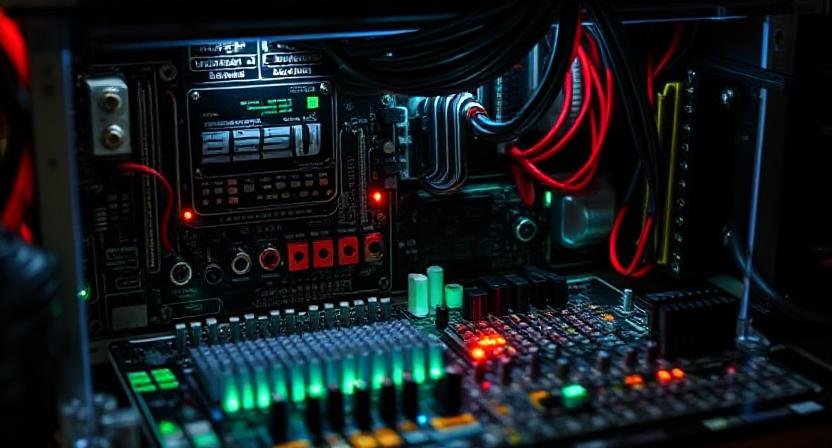
Gamers and creative professionals often find themselves at the forefront of hardware demands. Gaming at higher resolutions (1440p, 4K) or high refresh rates (120Hz, 240Hz) requires GPUs and CPUs that can handle intensive workloads. Meanwhile, 3D rendering, video editing, and animation involve large datasets and real-time processing, making RAM and SSD speed just as critical.
In these environments, hardware upgrades aren’t just a luxury—they’re a necessity. That’s where services like hardware upgrades lcfmodgeeks come into play, offering tailored solutions for users who need professional-level performance without the guesswork.
How to Plan an Effective Upgrade Strategy
Rather than upgrading everything at once, consider an incremental approach. Start with the components that are causing the most significant performance bottlenecks. For most users, this will be the RAM and storage. Once those are optimized, evaluate the CPU and GPU based on your workload or gaming preferences. lcftechmods
Keep track of hardware lifecycles and technological shifts. For example, DDR5 RAM and PCIe 5.0 storage are becoming more mainstream. Knowing when to adopt these technologies ensures you’re investing in future-proof upgrades.
Seeking expert consultation, such as that offered by hardware upgrades lcfmodgeeks, can streamline the process. Experts help assess system needs, recommend compatible parts, and even assist with installation, saving time and reducing risk.
Budgeting for Upgrades
Upgrading your hardware doesn’t have to break the bank. Set a realistic budget and prioritize based on need and impact. Entry-level SSDs and RAM are affordable and offer massive benefits. Higher-end GPUs and CPUs come at a premium, so consider refurbished parts or previous-generation models for better value.
Many enthusiasts use benchmarks and price-to-performance ratios to determine the best investment. For example, comparing the cost-per-frame in gaming benchmarks helps identify the best GPU for your budget.
It’s also important to consider warranties and customer support. Working with reputable upgrade providers like hardware upgrades lcfmodgeeks often includes support in case of component failure, which adds peace of mind to your investment.
Environmental Impact of Upgrading vs. Replacing
Upgrading is not only financially wise—it’s also environmentally responsible. By extending the life of your current system, you reduce electronic waste and the demand for manufacturing new systems. Recycling or repurposing older components can further minimize environmental impact.
Moreover, many newer components are designed with energy efficiency in mind. Upgrading to a modern PSU or SSD can lower your overall energy consumption, contributing to a smaller carbon footprint.
The DIY Route vs. Professional Help
Some tech-savvy users enjoy building and upgrading PCs on their own. With countless tutorials, forums, and video guides available, DIY upgrades are more accessible than ever. However, the risk of incompatibility or improper installation still exists. New Hardware Lcfmodgeeks
Professional services like hardware upgrades lcfmodgeeks offer a reliable alternative. From part selection to testing and installation, they ensure everything is optimized for performance and stability. For users unfamiliar with hardware nuances, this kind of service can be invaluable.
Real-World Results: What to Expect
Users often report dramatic performance increases after targeted upgrades. Boot times drop from minutes to seconds, games run at higher frame rates, and large applications open without delay. Creative professionals see smoother rendering timelines, faster exports, and improved multitasking.
A common scenario involves someone upgrading from a 5-year-old laptop with an HDD and 4GB RAM to a system with an SSD and 16GB RAM. The difference is night and day, transforming a sluggish experience into a snappy, responsive one.
This is precisely the kind of impact that companies like hardware upgrades lcfmodgeeks aim to deliver—making high performance accessible to everyday users.
Keeping Your System Maintained Post-Upgrade
Once your system is upgraded, regular maintenance ensures continued performance. This includes updating drivers, monitoring temperatures, cleaning internal components, and managing background processes. Tools like HWMonitor, MSI Afterburner, or Windows Task Manager can help keep tabs on system health.
Periodic software updates and OS upgrades are also vital. They ensure compatibility with the latest hardware features and patch security vulnerabilities.
Even after a successful upgrade, staying informed about upcoming hardware trends allows you to plan future improvements. Following tech blogs, review sites, and upgrade specialists such as hardware upgrades lcfmodgeeks can help you stay ahead of the curve.


