If you have ever stepped into a kitchen during the holidays, you have likely seen these tiny, buttery treasures. Spritz cookies are a classic European treat, deeply rooted in German and Scandinavian traditions. The name actually comes from the German word spritzen, which means “to squirt” or “to spray.” This is because the soft, pliable dough is squeezed through a specialized tool called a cookie press to create beautiful, intricate shapes like trees, wreaths, and stars.
While they might look fancy, the heart of a spritz cookie is its simplicity. At its core, this is a butter cookie that strikes a perfect balance between a crumbly shortbread and a soft sugar cookie. They are small, bite-sized, and designed to melt in your mouth. Whether you enjoy them plain or decked out in colorful sprinkles, spritz cookies bring a sense of nostalgia and elegance to any dessert platter.
The History and Origin of Spritzgebäck
The story of spritz cookies begins centuries ago, with most food historians pointing to Germany in the 16th century. Known there as Spritzgebäck, these cookies became a staple of Christmas baking. However, Scandinavian countries like Sweden and Norway also claim a piece of the history, often serving them at weddings and high-importance celebrations.
In the old days, bakers used a simple pastry bag to pipe the dough. It wasn’t until the invention of the metal cookie press that the uniform, detailed shapes we love today became popular. Families often pass down these heavy metal presses through generations. To many, pulling out the cookie press is the official signal that the holiday season has arrived. It is more than just a recipe; it is a shared history of family gatherings and sweet memories.
Spritz Cookies Biography Table
| Detail | Information |
| Origin | Germany & Scandinavia (16th Century) |
| Main Ingredients | Butter, Sugar, Flour, Eggs, Almond Extract |
| Classic Shape | Trees, Stars, Wreaths, “S” Shapes |
| Primary Tool | Cookie Press (Biscuit Maker) |
| Flavor Profile | Rich, Buttery, Subtle Almond/Vanilla |
| Texture | Tender, Crisp, Melt-in-your-mouth |
| Best Occasions | Christmas, Tea Parties, Weddings |
Why a Cookie Press is Essential
You might be wondering if you can make spritz cookies without a press. While you could technically pipe them with a star tip, a cookie press is the “secret sauce” for that professional look. The press allows you to swap out different metal disks, each featuring a unique cutout. One click of the trigger, and you have a perfect snowflake; another click, and you have a blooming flower.
Modern presses are usually made of sturdy plastic or aluminum. They are ergonomic and easy for children to use, making them a great way to get kids involved in the kitchen. When you use a press, you ensure that every cookie is exactly the same thickness. This is vital because it means they will all bake evenly in the oven. Without a press, it is much harder to achieve that signature delicate “squirted” look that defines spritz cookies.
Ingredients You Will Need
To make the best spritz cookies, you don’t need a long list of fancy items. In fact, you probably have most of these in your pantry right now! The quality of your ingredients makes a huge difference here. Since butter is the star of the show, try to use a high-quality, creamy butter.
- Unsalted Butter: Make sure it is softened to room temperature so it creams easily.
- Granulated Sugar: This provides sweetness and helps with the crisp edges.
- Egg Yolks: Some recipes use whole eggs, but yolks alone make the cookies extra tender.
- Extracts: Vanilla is classic, but almond extract gives spritz cookies their iconic “bakery” flavor.
- All-Purpose Flour: This provides the structure for the shapes to hold.
- Salt: Just a pinch to balance the sweetness.
Step-by-Step Guide to Perfect Dough
Creating the dough for spritz cookies is a quick process, but technique matters. Start by creaming your butter and sugar together until the mixture is light and fluffy. This usually takes about 3 to 5 minutes with a mixer. If you skip this step, your cookies might be too dense. Next, beat in the egg yolks and your choice of extracts until the mixture looks like smooth silk.
When it comes time to add the flour, do it slowly. You want the dough to be soft and pliable—almost like playdough. If the dough is too stiff, it won’t come out of the press. If it is too soft, the shapes will melt into puddles in the oven. Once mixed, don’t chill the dough! Unlike sugar cookies, spritz cookies need to be at room temperature to work through the press correctly.
How to Press Like a Pro
Pressing the dough onto the pan is where the magic happens. Here is a pro tip: use an ungreased, cold cookie sheet. Do not use parchment paper or silicone mats. The dough needs to “stick” to the cold metal to pull away from the press effectively. If your pan is greasy or lined, the dough will simply slide around and stay stuck to the bottom of the press.
Hold the press completely flat against the baking sheet. Give the trigger one firm click, wait a split second, and then lift the press straight up. Don’t worry if the first one or two look a bit messy—just scrape them back into the bowl and try again! As you work, you will find a rhythm. Mastering the “press and lift” technique is the key to making a large batch of spritz cookies in record time.
Flavor Variations to Try
While the almond-vanilla combo is the traditional favorite, you can get creative with your spritz cookies. For a festive twist, try adding a teaspoon of peppermint extract and a few drops of red food coloring to make “candy cane” wreaths. If you are a chocolate lover, replace 1/4 cup of the flour with unsweetened cocoa powder for a rich, dark treat.
You can also experiment with citrus. Lemon or orange zest added to the dough provides a bright, refreshing flavor that is perfect for springtime tea parties. Some people even like to dip the cooled cookies in melted chocolate and then into crushed nuts or toasted coconut. The versatility of spritz cookies is one of the reasons they remain a household favorite year after year.
Decorating Your Masterpieces
Decorating is often the best part of baking spritz cookies. You have two main windows for decorating: before baking or after. If you want to use sprinkles or colored sanding sugar, it is best to apply them right after you press the dough, while it is still slightly tacky. This ensures the decorations “bake into” the surface of the cookie.
If you prefer a more elegant look, wait until the cookies have cooled completely. You can then drizzle them with a simple glaze made of powdered sugar and milk. For a “snowy” effect, a light dusting of powdered sugar over star-shaped cookies looks stunning. No matter how you choose to decorate, the goal is to enhance the beautiful patterns created by your cookie press.
Troubleshooting Common Mistakes
Even expert bakers run into trouble with spritz cookies sometimes. The most common complaint is that the cookies are spreading too much. This usually happens if the butter was too warm or if the oven wasn’t preheated correctly. If your cookies lose their detail, try popping the pressed tray into the fridge for just 5 minutes before baking to firm up the fat.
Another issue is the dough not sticking to the pan. If your kitchen is very warm, the dough might become greasy. If this happens, the dough won’t “grab” the metal. Make sure you are using a clean, room-temperature or cold pan for every batch. Avoid washing the pans with hot water between batches; instead, wipe them down or let them cool completely before pressing more spritz cookies.
Storage and Freshness Tips
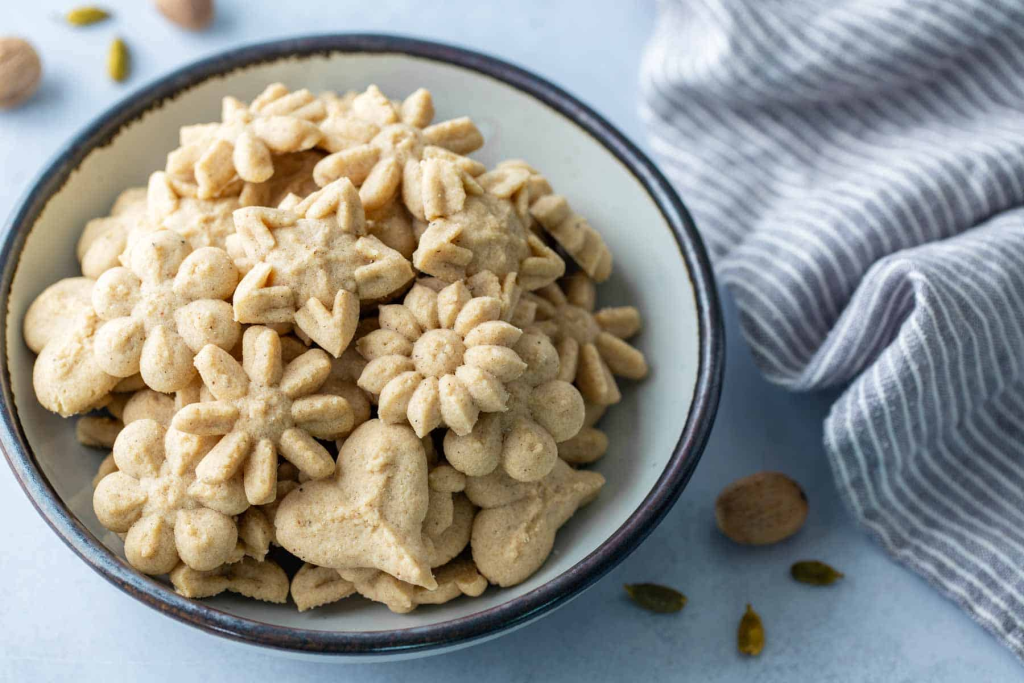
Because they have a high butter content, spritz cookies stay fresh for quite a while. Store them in an airtight container at room temperature, and they will remain delicious for up to a week. If you find they are getting a bit soft, placing a piece of white bread in the container can help absorb excess moisture and keep them crisp.
Can you freeze them? Absolutely! These cookies are great for “make-ahead” baking. You can freeze the baked cookies in a single layer before transferring them to a freezer bag for up to three months. When you are ready to eat, just let them sit at room temperature for about 20 minutes. This makes spritz cookies the perfect solution for busy holiday schedules or unexpected guests.
Conclusion
Baking a batch of spritz cookies is a rewarding experience that combines art with delicious flavor. They are the ultimate “small but mighty” treat, offering a rich, buttery bite that everyone loves. By using a quality cookie press and following the tips for cold pans and room-temperature dough, you can create professional-looking desserts right in your own kitchen.
Whether you are carrying on a long-standing family tradition or starting a brand new one, these cookies are sure to be a hit. So, grab your butter, find your favorite disk, and start pressing! There is nothing quite like the smell of fresh butter cookies wafting through the house to make it feel like a special occasion.
Frequently Asked Questions
1. Why won’t my spritz cookies stick to the pan?
This is usually because the pan is too warm, too greasy, or lined with parchment paper. Use a cold, ungreased metal cookie sheet for the best results.
2. Can I use margarine instead of butter?
While you can, it isn’t recommended. Margarine has a higher water content and lower melting point, which can cause the cookies to spread and lose their intricate shapes.
3. Do I need to chill the dough before pressing?
No! Unlike other cookies, the dough for spritz cookies should be at room temperature. If it is too cold, it will be too hard to push through the disks of the press.
4. My cookies are too hard. What went wrong?
You might have overbaked them. These cookies are thin and bake very quickly—usually in 6 to 8 minutes. Take them out as soon as the edges are just barely starting to brown.
5. How do I get different colors in my dough?
Use gel food coloring rather than liquid. Gel is more concentrated and won’t change the consistency of your dough, which is vital for the press to work.
6. Can I make the dough ahead of time?
Yes, you can make the dough and keep it in the fridge for up to two days. However, you must let it come completely back to room temperature before you try to use it in the press.