When you are dealing with a nagging headache or a sore back, you want relief fast. Co-codamol is a very common medicine used to treat pain when simple paracetamol isn’t quite enough. It is actually a “combination” medicine, which means it has two different pain-killing ingredients working together in one pill. It contains paracetamol and codeine. Think of it like a team; paracetamol works on the pain at the source, while codeine works on the central nervous system to change how your body feels the pain.
Most people use it for short-term issues like toothaches, muscle strains, or post-surgery recovery. Because it contains codeine, which is an opioid, you have to be careful about how much you take and for how long. Using co-codamol for more than three days in a row can sometimes lead to addiction or “rebound” headaches. It is always best to talk to a pharmacist or doctor before starting it to make sure it is the right choice for your specific type of pain.
Understanding the Different Strengths
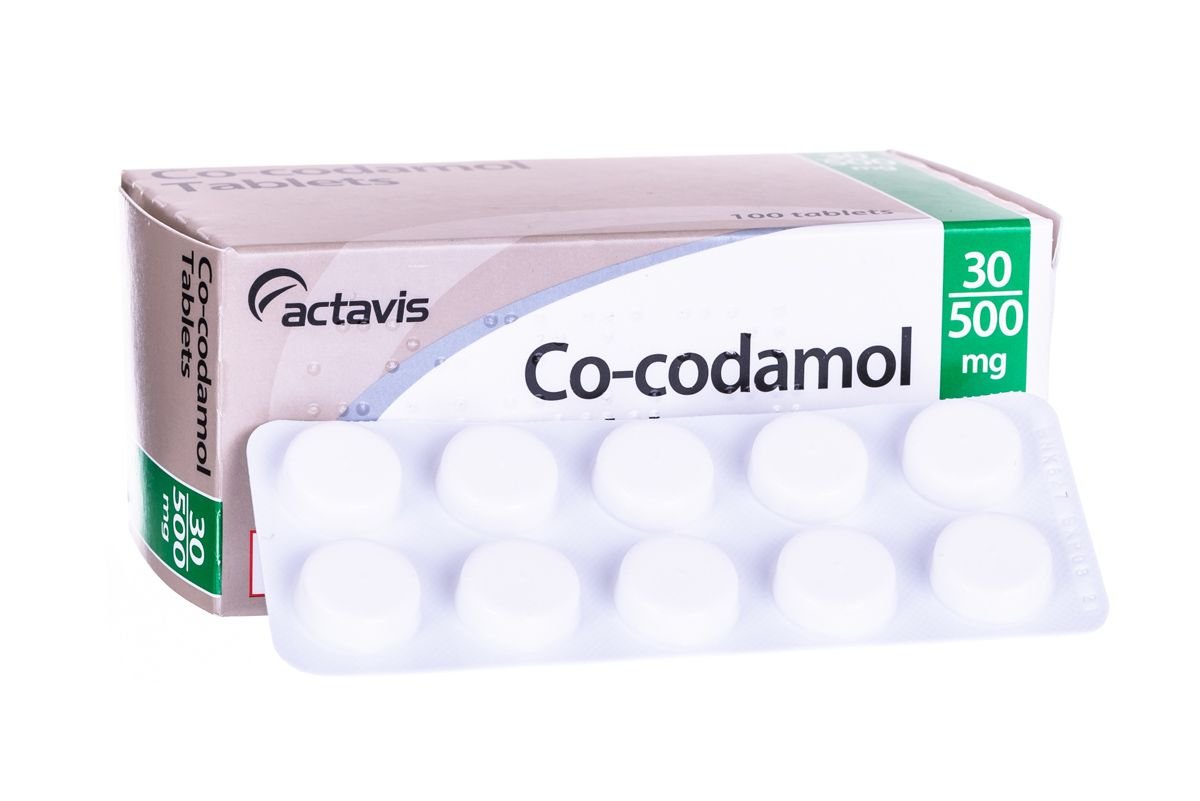
Not all versions of this medicine are the same. You can buy some lower-strength versions at a local chemist without a prescription. These usually contain a small amount of codeine, like 8mg. However, if your pain is more severe, a doctor might prescribe a stronger version. These stronger pills can have up to 30mg or even 60mg of codeine per dose. It is very important to check the box to see exactly what strength you have.
The amount of paracetamol usually stays the same at 500mg per tablet, regardless of the codeine level. If you take the stronger prescription version, you must follow the doctor’s orders exactly. Taking too much co-codamol is dangerous because of the paracetamol, which can hurt your liver, and the codeine, which can slow down your breathing. Always keep track of the time between your doses to stay within the safe limits for your body.
Quick Reference: Co-codamol Details
| Feature | Information |
| Main Ingredients | Paracetamol and Codeine Phosphate |
| Common Strengths | 8/500mg, 15/500mg, 30/500mg |
| Primary Use | Moderate to severe pain relief |
| Legal Status | Low strength (OTC), High strength (Prescription) |
| Maximum Daily Dose | 8 tablets in 24 hours (for adults) |
| Typical Dose Gap | 4 to 6 hours between doses |
| Alcohol Interaction | Avoid alcohol (increases drowsiness) |
How Long Does It Take to Work
One of the biggest questions people ask is how fast they will feel better. Generally, co-codamol starts to work within 30 to 60 minutes after you swallow the tablet. The effects usually last for about 4 to 5 hours. It is a good idea to take the tablet with a full glass of water. Some people find that taking it on an empty stomach makes it work a little faster, but it might also make you feel a bit sick or nauseous.
If you don’t feel any relief after an hour, do not be tempted to take more immediately. Wait for the next scheduled dose. Your body needs time to process the medicine safely. If the co-codamol still isn’t helping after a few doses, it is time to call your doctor. They might need to look at why your pain is so stubborn or suggest a different type of treatment that targets the root cause better.
Common Side Effects to Watch For
Every medicine can have side effects, and co-codamol is no different. Because it contains codeine, the most common issue people face is constipation. Codeine slows down your digestive system, which can make going to the bathroom difficult. Other common feelings include sleepiness, dizziness, or feeling a bit “foggy” in the head. This is why you should never drive or operate heavy machinery when you first start taking this medication.
You might also feel a bit itchy or have a dry mouth. These symptoms are usually mild and go away as the medicine leaves your system. However, if you notice a skin rash or have trouble breathing, you should stop taking co-codamol right away and seek medical help. It is helpful to eat plenty of fiber and drink lots of water while using this medicine to help prevent the stomach issues mentioned earlier.
Can You Take It With Other Medicines
Safety is the most important thing when mixing medications. Since co-codamol already contains paracetamol, you must not take any other paracetamol products at the same time. This includes many “all-in-one” cold and flu remedies. Taking too much paracetamol is very serious and can cause permanent damage to your internal organs without you even realizing it at first. Always read the labels of every bottle in your cabinet.
You should also be careful if you take medicine for anxiety or sleep. These can react with the codeine in co-codamol and make you dangerously sleepy. It is like putting two “slowing down” medicines together, which can be too much for your lungs and heart. Share a full list of your current vitamins and pills with your pharmacist. They are experts at spotting these “drug-drug interactions” and will keep you safe from harm.
Managing the Risk of Addiction
Because co-codamol has codeine, there is a risk of becoming dependent on it. This doesn’t mean you are a bad person; it is just how the chemistry of the brain works with opioids. If you take it for a long time, your body gets used to it. Then, if you stop suddenly, you might feel sick, sweaty, or anxious. This is why doctors usually suggest using it for the shortest time possible—often just three days.
If you find that you are craving the medicine or taking it even when you aren’t in pain, reach out for help. A doctor can help you slowly lower your dose so your body can adjust safely. Co-codamol is a wonderful tool for short-term pain, but it is not meant to be a long-term solution for chronic issues. Understanding this helps you stay in control of your health and prevents the cycle of dependency from starting.
Is it Safe During Pregnancy
Pregnancy is a time when you have to be extra cautious about what goes into your body. Generally, doctors advise against using co-codamol during pregnancy unless it is absolutely necessary. Codeine can pass through to the baby. If taken near the end of pregnancy, the baby might experience withdrawal symptoms after they are born. Paracetamol on its own is usually the preferred choice for moms-to-be who are in pain.
Breastfeeding is another time to be careful. Small amounts of codeine can get into breast milk, which can make a baby very sleepy or cause breathing problems. If you are a new parent and in a lot of pain, talk to your midwife or GP. They can help you find a pain relief plan that keeps both you and your little one safe and healthy during those important early months.
Who Should Avoid This Medication
While co-codamol helps many people, it isn’t for everyone. People with breathing problems, like severe asthma or COPD, should usually avoid it because codeine can slow down breathing even further. Also, if you have liver or kidney issues, your body might struggle to clear the medicine out of your system. This can cause the drug to build up to unsafe levels, leading to more side effects or toxicity.
Children under the age of 12 should never take co-codamol, and it is generally avoided for anyone under 18 who has had their tonsils removed. Some people are “ultra-rapid metabolizers,” which means their bodies turn codeine into morphine much faster than normal. This can lead to an accidental overdose even with a standard dose. If you feel extremely sleepy or confused after one pill, stop using it and consult a professional.
Tips for Storage and Disposal
Keeping your medicine cabinet organized is a big part of home safety. Always keep co-codamol in its original packaging so you can see the expiration date and the dosage instructions. It should be stored in a cool, dry place—not a steamy bathroom where the moisture can ruin the tablets. Most importantly, keep it high up and out of reach of children or pets who might mistake the pills for sweets.
If you have leftover tablets after your pain has gone away, do not throw them in the bin or flush them down the toilet. This can be bad for the environment. Instead, take them to your local pharmacy. They have special ways to dispose of old medicines safely. This also ensures that no one else can find and use the medication by mistake, keeping your home and your community much safer.
Conclusion
In summary, co-codamol is a powerful and effective way to manage moderate pain when used correctly. By combining paracetamol and codeine, it provides a “double-hit” against discomfort. However, with power comes responsibility. You must be mindful of the dosages, the length of time you use it, and the potential for side effects like constipation or drowsiness. Always prioritize your safety by reading the labels and talking to experts.
When you treat your body with respect and use medications as they are intended, you can get back to feeling like yourself much faster. Remember that pain is often a signal from your body that something needs attention. Use co-codamol to manage the symptoms, but don’t forget to look for the cause! Stay safe, stay informed, and always reach out to a healthcare professional if you are unsure about your treatment.
Frequently Asked Questions (FAQs)
1. Can I drink alcohol while taking co-codamol? No, it is best to avoid alcohol. Both alcohol and codeine make you sleepy and slow your reactions. Mixing them can make you dangerously drowsy or even stop your breathing.
2. What should I do if I miss a dose? If you miss a dose, take it as soon as you remember, unless it is almost time for your next one. Never take two doses at once to “catch up,” as this increases the risk of side effects.
3. Why can’t I take this for more than 3 days? Using it for longer can lead to your body becoming dependent on the codeine. It can also cause “medication overuse headaches,” where the medicine actually starts causing more pain.
4. Can I take ibuprofen with co-codamol? Yes, in most cases, you can take ibuprofen with it because they work in different ways. However, never take it with plain paracetamol, as co-codamol already contains it.
5. Will it make me feel “high”? Some people feel a bit lightheaded or relaxed, but it shouldn’t make you feel “high” if taken at the correct dose. If you feel very strange, contact your doctor.
6. Does it expire? Yes, check the “EXP” date on the box. Expired medicine might not work as well or could even be harmful. Always dispose of old pills at a pharmacy.