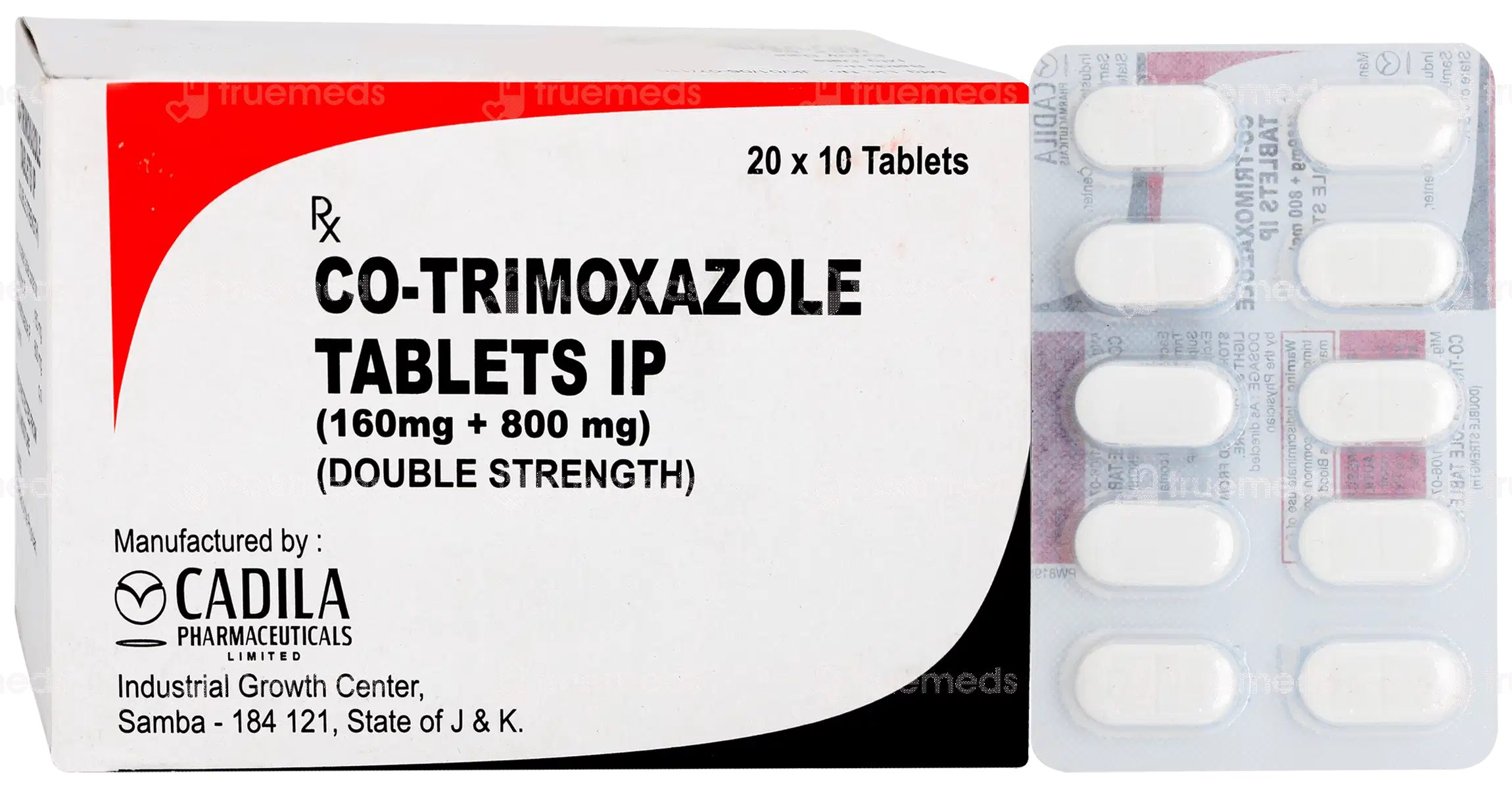
If you have ever had a stubborn cough or a painful bladder infection, your doctor might have mentioned co-trimoxazole. This medicine is a very common antibiotic used all over the world. It is actually a “team” of two different medicines working together to stop germs. Think of it like a superhero duo where each partner has a special job. When they combine, they become much stronger than they would be alone. This makes the medicine great at stopping bacteria from growing in your body.
Most people know this medicine by other names like Septra or Bactrim. It has been around for a long time, so doctors know exactly how it works. It is mostly used for bacterial infections, which means it will not work for a cold or the flu. Understanding your medicine is the first step to getting better. We are going to dive deep into what makes co-trimoxazole so special and how you can use it safely to feel your best again.
The Secret Teamwork: Trimethoprim and Sulfamethoxazole
To understand co-trimoxazole, you have to look at its two main ingredients. These are trimethoprim and sulfamethoxazole. These two chemicals work in a very clever way. Bacteria need something called folic acid to survive and multiply. Humans get folic acid from food, but bacteria have to make their own. Sulfamethoxazole stops the first step of making that acid, and trimethoprim stops the second step. It is like a “one-two punch” that leaves the bacteria with no way to survive.
This double-action approach is why co-trimoxazole is called a “sulfonamide antibiotic.” By attacking the bacteria at two different points, it ensures that the germs cannot easily fight back. This is very important because it helps prevent the bacteria from becoming “resistant” to the medicine. When you take this pill, you are sending a highly coordinated team into your system to clean out the unwanted guests. This teamwork makes it a reliable choice for many different types of body infections.
Common Uses for Co-trimoxazole in Daily Life
Doctors prescribe co-trimoxazole for many different problems. One of the most common reasons is for a urinary tract infection (UTI). If it hurts when you go to the bathroom, this medicine often helps clear that up quickly. It is also used for ear infections in children and certain types of lung infections in adults. Some people take it to treat “traveler’s diarrhea” if they get sick from eating bad food while on vacation. It is a very versatile tool in a doctor’s medical bag.
Beyond these common issues, co-trimoxazole is also used for more serious things. It can treat certain types of pneumonia and even skin infections caused by MRSA, which is a very tough germ. Because it can treat so many things, it is often kept in hospitals as a primary line of defense. However, it is only for bacteria. If a virus is making you sick, this medicine won’t help. Always make sure a professional confirms that your sickness is caused by bacteria before you start taking any antibiotics.
How to Take Your Medicine the Right Way
Taking co-trimoxazole correctly is the key to getting healthy. Usually, you will take a pill twice a day—once in the morning and once at night. It is very important to drink plenty of water while taking this medicine. Water helps your kidneys process the drug and prevents crystals from forming in your urine. You can take it with or without food, but having a small snack might help if the medicine makes your stomach feel a little bit jumpy or upset.
One of the biggest mistakes people make is stopping the medicine too early. You might start feeling better after just two days, but the bacteria are still hiding! You must finish the entire bottle exactly as your doctor told you. If you stop early, the strongest germs might survive and come back even stronger. This can lead to an infection that is much harder to treat the second time around. Set a timer on your phone so you never miss a dose of your co-trimoxazole.
Understanding Potential Side Effects
Like any medicine, co-trimoxazole can sometimes cause side effects. Most people feel just fine, but some might experience a bit of nausea or a loss of appetite. These are usually mild and go away as your body gets used to the drug. Some people might notice a change in how food tastes or feel a little bit dizzy. If these things happen, just take it easy and keep drinking your water. It is your body’s way of adjusting to the new “superhero team” inside.
However, there are a few things to watch out for that are more serious. A small number of people are allergic to “sulfa” drugs. If you see a red rash, get itchy skin, or have trouble breathing, stop taking the medicine and call a doctor immediately. It is always better to be safe! Also, this medicine can make your skin more sensitive to the sun. If you are taking co-trimoxazole, try to stay in the shade or wear extra sunscreen so you don’t get a bad sunburn while you are healing.
Important Precautions for Your Safety
Before you start taking co-trimoxazole, you should have a quick chat with your doctor about your health history. Tell them if you have any kidney or liver problems. Since the medicine is filtered through these organs, they need to be working well. Also, mention if you have any blood disorders or if you are pregnant. Doctors want to make sure the medicine is safe for both you and your baby. Being honest with your healthcare provider ensures you get the best care possible.
It is also smart to list all the other vitamins or medicines you are taking. Co-trimoxazole can sometimes interact with blood thinners or diabetes pills. When medicines “interact,” they can change how well they work or cause unexpected symptoms. Most of the time, your doctor can just adjust the dose to make everything work perfectly. By sharing your information, you are helping the medicine do its job without any unnecessary hiccups or bumps in the road.
The History and Discovery of the Drug
The story of co-trimoxazole is quite interesting. It wasn’t just found in nature like some other medicines. Scientists had to figure out that combining two specific drugs would make them work much better. The sulfonamide part was discovered way back in the 1930s, and it was one of the first “miracle drugs” to save lives from infections. Later, in the 1960s, researchers found that adding trimethoprim made the old drug work like new again. This was a huge breakthrough for modern science.
Since then, co-trimoxazole has saved millions of lives. It is listed on the World Health Organization’s list of essential medicines. This means it is considered one of the most important medicines needed in a basic health system. It is affordable, easy to ship, and works against a wide variety of germs. Knowing the history helps us appreciate how much work went into making sure we have the tools to stay healthy today. It is a true testament to human ingenuity and science.
Why This Medicine is Great for Kids and Adults
One great thing about co-trimoxazole is that it comes in different forms. For adults, there are standard tablets and “double strength” tablets (often called DS). For children who cannot swallow big pills, there is a liquid version that tastes much better. This makes it very easy for parents to give the right dose to their little ones. Whether you are five years old or eighty-five years old, this medicine can be tailored to fit your specific needs and body size.
In kids, it is frequently used to treat middle ear infections. If your child is pulling at their ear and crying, a quick trip to the pediatrician might result in a prescription for this liquid antibiotic. Because it works quickly, children usually start feeling less pain within a day or two. For adults, it remains a go-to choice for bronchitis or skin issues. Having one medicine that works for the whole family is very helpful and keeps things simple for everyone involved.
Storing Your Medicine Correctly
To keep your co-trimoxazole working well, you need to store it the right way. Keep the bottle in a cool, dry place. Many people put their medicine in the bathroom cabinet, but the steam from the shower can actually make the pills degrade faster. A kitchen cupboard or a dresser drawer is usually a much better spot. Make sure the lid is tight and that the bottle is kept out of the reach of curious children or pets.
If you are using the liquid version of co-trimoxazole, check the label to see if it needs to stay in the refrigerator. Some liquids stay fresh at room temperature, but others need to be kept cold to stay effective. Also, always check the expiration date. Using old antibiotics is not a good idea because they might not be strong enough to kill the bacteria anymore. If you have leftover medicine after your treatment is done, ask your local pharmacy how to throw it away safely.
Table: Quick Facts About Co-trimoxazole
| Feature | Details |
| Main Ingredients | Trimethoprim and Sulfamethoxazole |
| Drug Class | Sulfonamide Antibiotic |
| Common Forms | Tablets, Liquid, Injection |
| Primary Use | UTIs, Ear Infections, Bronchitis |
| Typical Dose | Twice daily for 5-14 days |
| Storage | Room temperature, dry place |
Conclusion
In summary, co-trimoxazole is a powerful and reliable partner in your health journey. By combining two strong ingredients, it stops bacteria right in their tracks. Whether you are dealing with a simple UTI or a more complex lung issue, this medicine has the track record to help you recover. Just remember to drink plenty of water, finish the whole bottle, and watch out for any unusual skin rashes. Your health is your most important asset, and being informed is the best way to protect it.
Always listen to your doctor’s advice and ask questions if you are unsure about anything. Medicines like co-trimoxazole are amazing tools, but they work best when we use them responsibly. If you follow the simple steps outlined in this guide, you will be well on your way to feeling like yourself again. Stay positive, stay hydrated, and let the medicine do its work!
Frequently Asked Questions (FAQs)
1. Can I drink alcohol while taking co-trimoxazole? It is usually best to avoid alcohol while taking antibiotics. Alcohol can make side effects like dizziness or an upset stomach feel much worse. It can also dehydrate you, and you need plenty of water for this medicine to work safely.
2. What should I do if I miss a dose? If you forget to take a pill, take it as soon as you remember. However, if it is almost time for your next dose, just skip the missed one. Never take two doses at the same time to “catch up,” as this can lead to more side effects.
3. Is co-trimoxazole the same as penicillin? No, it is not. Penicillin is a different type of antibiotic. Co-trimoxazole is a sulfa-based drug. If you are allergic to penicillin, you might still be able to take this medicine, but always tell your doctor about your allergies first.
4. How long does it take for the medicine to work? Most people start to feel better within 24 to 48 hours. However, even if you feel 100% better, you must keep taking the medicine until the bottle is empty to make sure all the germs are truly gone.
5. Can I take this medicine if I am pregnant? You should only take co-trimoxazole during pregnancy if your doctor says it is absolutely necessary. It can affect how your body uses folic acid, which is very important for a growing baby. Always consult your healthcare provider.
6. Does it treat the common cold? No, it does not. The common cold is caused by a virus. Co-trimoxazole only kills bacteria. Taking antibiotics for a virus will not help you get better and can actually lead to antibiotic resistance.