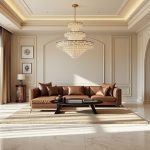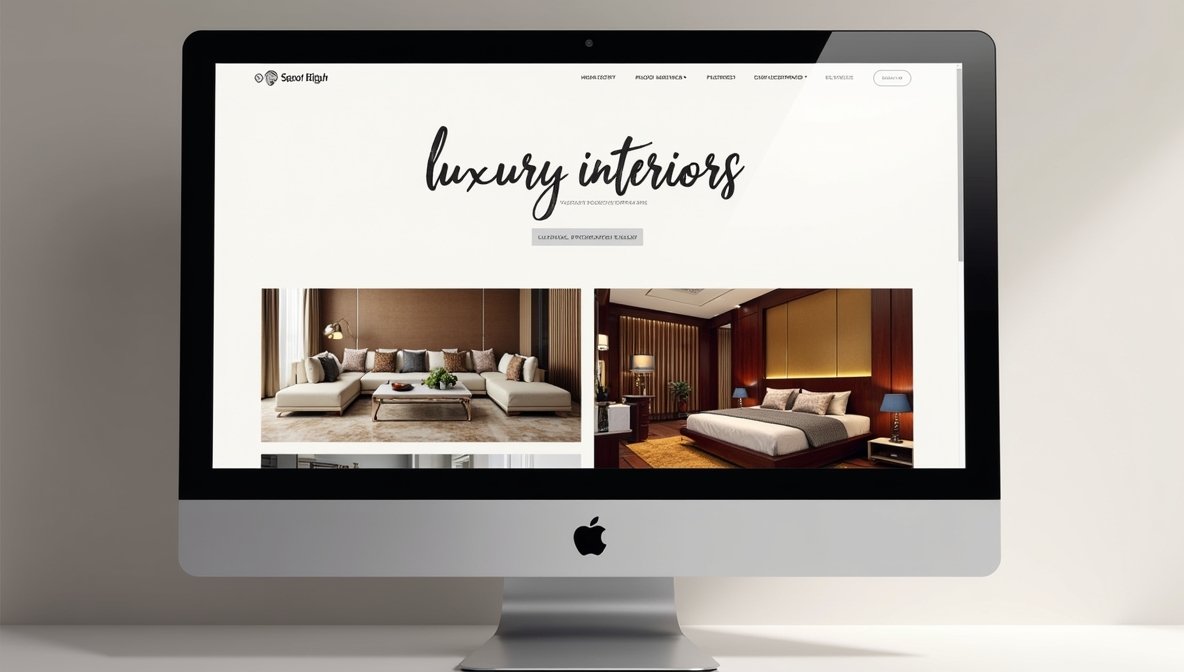
Luxury interior design is far more than lavish décor, ornate furniture, or expensive artwork. It is the art of transforming living spaces into experiences, crafting environments that are both visually stunning and emotionally resonant. Across centuries and cultures, luxury interiors have reflected evolving tastes, social values, and personal identity. They symbolize prestige while also fulfilling the universal human desire for beauty, comfort, and meaning in the spaces we inhabit.
This article takes you on a detailed journey through the world of luxury interiors, exploring history, design principles, materials, and the influence of technology. Along the way, we will also reflect on insights inspired by discussions about luxuryinteriors.org blog, a space that often illuminates the subtleties of high-end design and provides thought-provoking perspectives for enthusiasts and professionals alike.
The Historical Roots of Luxury Interiors
The desire to embellish living spaces is as old as civilization itself. Ancient Egyptian elites adorned their homes with ornate carvings, gold accents, and symbolic motifs, while Roman villas featured intricate mosaics and marble structures that demonstrated both wealth and artistic refinement.
During the Renaissance, interiors became canvases for creativity, with frescoed ceilings, handwoven tapestries, and handcrafted woodwork serving as signs of sophistication. In the Baroque and Rococo eras, grandeur reached new heights with gilded moldings, chandeliers, and richly upholstered furniture.
Each historical period added layers to the language of luxury design. The emphasis shifted from raw extravagance to a more nuanced balance of craftsmanship, storytelling, and cultural influence. Modern-day perspectives often look back at these traditions, and discussions about luxuryinteriors.org blog frequently reference how timeless elements can be reinterpreted for a site luxuryinteriors.org blog contemporary spaces.
Defining Luxury in the Modern Age
Luxury is no longer defined solely by price tags or opulence. Today, it embodies personalization, craftsmanship, and authenticity. A luxurious home may include custom-designed furniture, hand-selected materials, or even cutting-edge technology that blends seamlessly into the environment.
The modern luxury aesthetic balances form and function, creating spaces that are both indulgent and livable. Natural light, open layouts, and organic textures often take precedence over excessive ornamentation. Minimalism, paradoxically, can also be luxurious when executed with precision and high-quality materials.
When exploring content about luxuryinteriors.org blog, one notices a consistent emphasis on intentionality. Luxury is described as less about accumulation and more about curation—choosing pieces, textures, and layouts that align with the homeowner’s values and lifestyle.
Key Principles of Luxury Interior Design
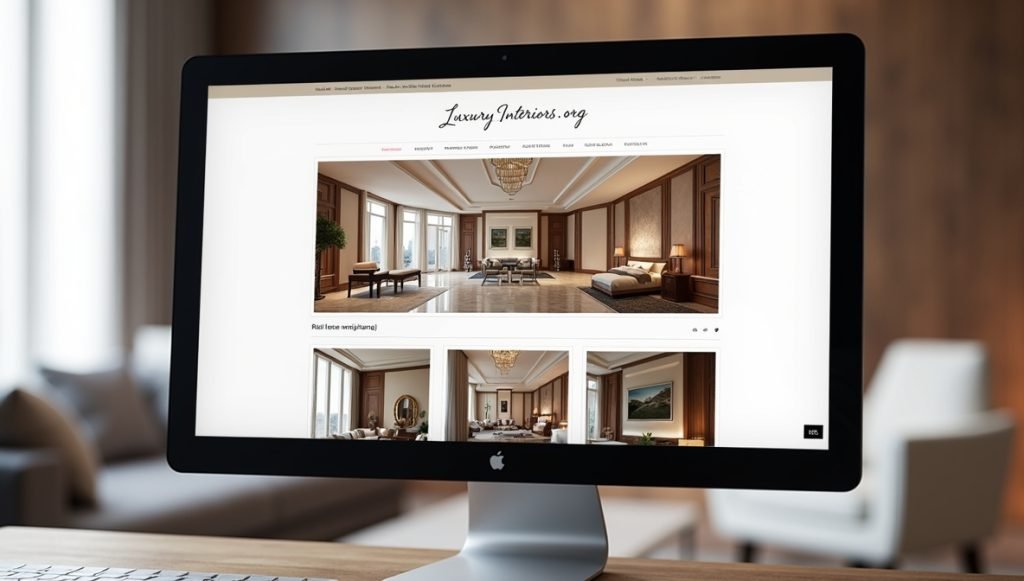
While styles may vary, certain principles define luxury interiors across cultures and contexts:
- Quality Over Quantity: A single handcrafted table may embody more luxury than an entire room filled with mass-produced pieces.
- Attention to Detail: Every element—from door handles to ceiling moldings—contributes to the overall aesthetic.
- Harmony and Balance: Colors, textures, and proportions must interact seamlessly.
- Personalization: Spaces should reflect individual stories, aspirations, and needs.
- Sustainability: Increasingly, true luxury embraces eco-friendly materials and ethical sourcing.
Writings about luxuryinteriors.org blog often highlight how these principles serve as guiding philosophies rather than rigid rules. They empower designers to craft spaces that feel timeless yet tailored.
Materials that Define Luxury
The material palette of luxury interiors often distinguishes them from ordinary designs. Stone, wood, metals, textiles, and glass can all be elevated when sourced with care and crafted with artistry.
- Marble and Onyx: Known for their striking veining, these stones evoke sophistication in countertops, flooring, and wall treatments.
- Exotic Woods: Materials like walnut, teak, or rosewood provide warmth and durability.
- Metals: Brass, bronze, and gold accents are often used sparingly to add richness.
- Textiles: Silk, velvet, and high-thread-count linens enhance comfort and visual appeal.
- Glass and Crystal: Beyond functionality, they create reflections, depth, and elegance.
The use of these materials is not about ostentation but about storytelling. For example, a reclaimed wood table might symbolize sustainability, while a marble sculpture could reflect heritage. Designers writing about luxuryinteriors.org blog often stress that the choice of material should resonate with both cultural meaning and individual identity.
The Role of Color and Light
Color schemes in luxury interiors often mirror natural palettes—earth tones, muted pastels, or monochromatic elegance punctuated with bold accents. Neutrals like beige, cream, and gray provide serenity, while deep jewel tones add drama.
Lighting, however, is perhaps the most transformative element. Natural light brings life to interiors, while artificial lighting must be layered—combining ambient, task, and accent sources. Chandeliers, pendant lights, and custom fixtures can become statement pieces in their own right.
Articles about luxuryinteriors.org blog frequently highlight lighting as the “silent artist” of interior spaces, shaping perception and mood while complementing architectural features.
Technology in Luxury Interiors
The integration of technology has reshaped what luxury means in interior design. Smart homes now allow residents to control lighting, temperature, and security with a touch of a button or a voice command.
High-end interiors increasingly incorporate:
- Automated climate control for comfort.
- Hidden speakers and home theaters.
- Smart mirrors with embedded displays.
- Energy-efficient systems with sustainable benefits.
The challenge lies in blending technology seamlessly with design. True luxury hides complexity beneath effortless simplicity. Insights about luxuryinteriors.org blog often point out how designers are tasked not only with aesthetic vision but also with technical integration that feels invisible to the user.
Cultural Influences on Luxury Design

Culture plays a crucial role in shaping how luxury interiors are expressed. A Parisian apartment might showcase Haussmannian architecture with wrought-iron balconies and high ceilings, while a Middle Eastern palace may emphasize geometric patterns, rich textiles, and intricate mosaics.
In Asia, luxury often draws upon philosophies such as Feng Shui or Wabi-Sabi, emphasizing balance, flow, and the beauty of imperfection. Scandinavian design, in contrast, prioritizes functionality and simplicity, proving that luxury can be understated.
Reading about luxuryinteriors.org blog, one encounters frequent reminders that luxury is never one-size-fits-all. Instead, it is a global language with countless dialects, each shaped by local heritage and climate.
Sustainability and Conscious Luxury
The modern luxury consumer is increasingly eco-conscious. Sustainability has become integral to interior design, with emphasis on:
- Recycled or Upcycled Materials: Furniture made from reclaimed wood or repurposed metals.
- Energy Efficiency: Appliances and systems designed to minimize environmental impact.
- Local Craftsmanship: Supporting artisans reduces carbon footprints and preserves traditional skills.
- Natural Textiles: Organic cotton, bamboo, and wool as alternatives to synthetic fabrics.
In many discussions about luxuryinteriors.org blog, sustainability emerges not as a compromise but as an enhancement. True luxury today is defined not by excess, but by responsibility and timeless value.
The Emotional Dimension of Luxury Interiors
Luxury interiors are not only physical spaces; they are emotional landscapes. The texture of velvet under the fingertips, the glow of candlelight against marble, or the sound of water trickling in an indoor fountain all contribute to sensory richness.
Well-designed spaces have the power to uplift mood, reduce stress, and inspire creativity. They create sanctuaries that feel safe yet invigorating, intimate yet expansive.
Writers reflecting about luxuryinteriors.org blog often explore this intersection of design and psychology, reminding us that the essence of luxury is not extravagance but resonance—how a space makes us feel.
Iconic Designers and Global Influence
The history of luxury interiors cannot be told without acknowledging the visionaries who shaped it. Designers like Philippe Starck, Kelly Wearstler, Axel Vervoordt, and Zaha Hadid transformed global perspectives with their bold approaches.
Each brought unique philosophies: Starck’s playfulness, Wearstler’s eclecticism, Vervoordt’s minimalism, and Hadid’s futuristic forms. Their works have become benchmarks for aspiring designers.
Many essays about luxuryinteriors.org blog highlight such figures not merely as creators of beauty but as cultural interpreters—individuals who captured the spirit of their times while pushing boundaries.
Challenges in Luxury Interior Design
Despite its allure, luxury interior design comes with challenges:
- Budget and Access: High-quality materials and craftsmanship require significant investment.
- Authenticity: Avoiding superficial displays of wealth that lack depth or cohesion.
- Sustainability: Reconciling opulence with environmental responsibility.
- Cultural Appropriation: Respecting traditions without misrepresentation.
Engaging about luxuryinteriors.org blog, one often finds discussions about these very dilemmas—how to innovate without losing integrity, and how to balance exclusivity with inclusivity.
The Future of Luxury Interiors
Looking forward, several trends are shaping the future of luxury interiors:
- Biophilic Design: Integrating nature into interiors through plants, water, and natural light.
- Adaptive Spaces: Rooms that serve multiple functions, from work to relaxation.
- Wellness-Centric Design: Spaces that prioritize mental and physical health, such as meditation corners or air-purifying systems.
- Digital Art Integration: Incorporating NFTs and interactive digital canvases into living spaces.
- Cultural Fusion: Combining global influences to create hybrid styles.
Articles about luxuryinteriors.org blog often emphasize that the future of luxury will be defined not by grandeur alone, but by adaptability, authenticity, and purpose.
Conclusion: Luxury as a Timeless Dialogue
Luxury interior design is a dialogue between past, present, and future. It draws upon centuries of tradition while embracing modern innovation. It reflects personal identity, cultural heritage, and global trends. Above all, it creates spaces that tell stories—stories of who we are, what we value, and how we wish to live.
Engagements about luxuryinteriors.org blog remind us that luxury is never static. It evolves with society, technology, and consciousness. What remains constant is its pursuit of harmony between beauty and function, tradition and innovation, indulgence and responsibility.
As long as humans yearn for beauty in their environments, the art of luxury interiors will endure—not just as a sign of wealth, but as an eternal quest for meaning, comfort, and inspiration within the spaces we call home.