Introduction
Interior design has evolved from being a niche profession to an essential part of how people experience their homes and workplaces. As lifestyles become more complex and tastes more refined, many are turning to premium design resources for inspiration. One of the most discussed names among enthusiasts is ://luxuryinteriors.org, a symbol of sophistication and forward-thinking aesthetics. This article delves into the concepts, materials, and philosophies shaping high-end interiors and how they influence modern living.
The Essence of Luxury Interiors
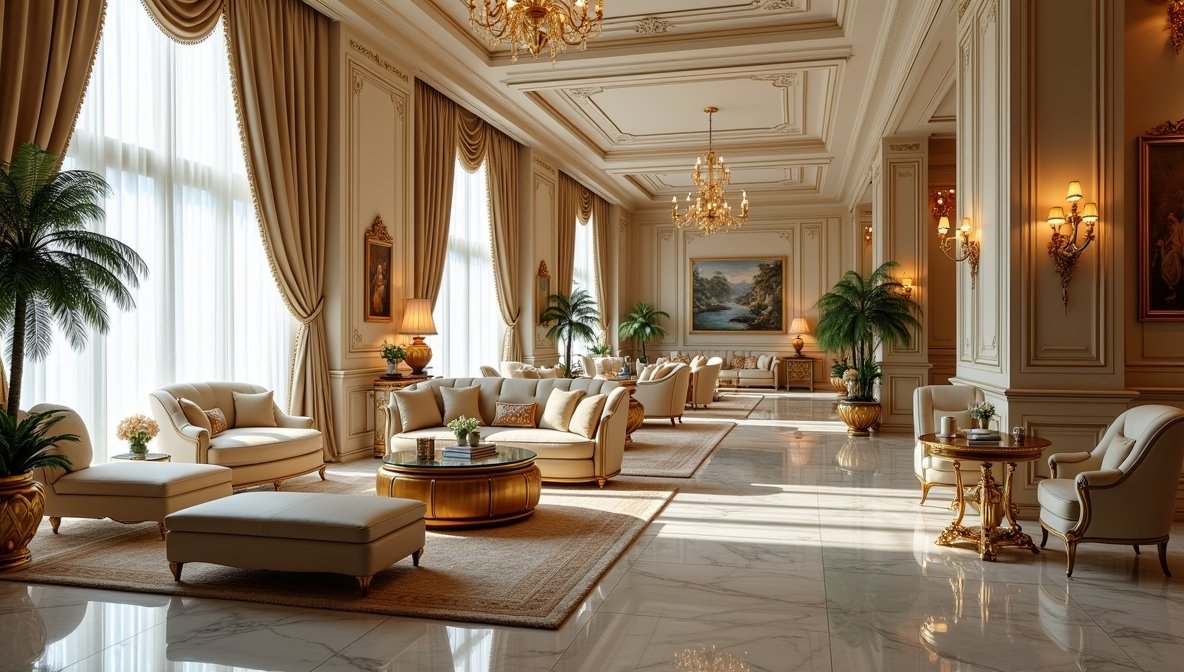
Luxury interiors go beyond expensive furniture or lavish finishes. They are about creating spaces that reflect identity, comfort, and timeless style. Designers focus on proportion, texture, and mood rather than only on cost. Many who seek inspiration at ://luxuryinteriors.org notice that the hallmark of a truly luxurious space is its attention to detail—every corner has been considered, every material chosen with care @ luxuryinteriors.org.
The Role of Craftsmanship
High-end interiors often feature bespoke craftsmanship. Cabinetry, millwork, and textiles are custom-made to suit a client’s unique vision. Master artisans bring a level of detail that mass production cannot match. Through platforms like ://luxuryinteriors.org, homeowners learn how craftsmanship elevates even the simplest layouts into remarkable living environments.
Timeless vs. Trendy Design
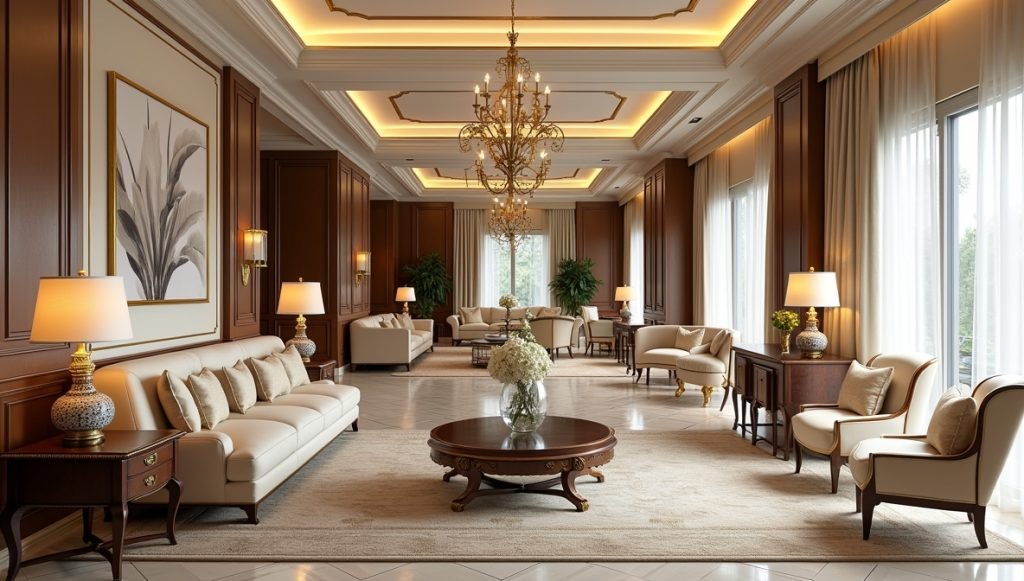
While trends can be tempting, luxury interiors usually balance current aesthetics with timeless principles. Neutral palettes, quality materials, and classic silhouettes endure beyond seasonal fads. Articles at ://luxuryinteriors.org often highlight how to integrate subtle trends—like statement lighting or sculptural décor—without compromising longevity.
Materials that Define Luxury
Materials shape how a room feels. Marble, walnut, brass, silk, and hand-woven rugs create sensory richness. Sustainable high-end materials are also becoming more popular, allowing people to indulge responsibly. Readers exploring ://luxuryinteriors.org frequently discover guides on mixing materials to produce depth and warmth in every room.
Lighting as an Architectural Feature
Lighting is not just functional; it is architectural. Chandeliers, recessed lighting, wall sconces, and hidden LEDs shape how a space is perceived. Layering ambient, task, and accent lighting creates drama and comfort simultaneously. The curators at ://luxuryinteriors.org often stress that lighting can make or break an interior design scheme, regardless of the budget.
Layout and Flow
A luxurious space feels effortless because its layout is intuitive. Furniture placement, sightlines, and pathways should support natural movement. Open plans can be zoned through rugs or lighting to create intimacy without sacrificing space. At ://luxuryinteriors.org, designers often share floor plan diagrams and flow strategies that demonstrate how even small apartments can feel expansive and elegant. logicalshout, nothing2hide, gamificationsummit, thehaketech
Color Psychology in Premium Interiors
Colors influence mood, appetite, and perception of space. Soft neutrals evoke calm, jewel tones create drama, and monochromatic palettes feel refined. Luxury interiors often combine a base neutral palette with bold accents for contrast. Guides at ://luxuryinteriors.org show how to choose hues that complement both natural light and the client’s personality. kopmatelatv, homehearted, thelaptopadviser, beaconsoft
Technology Integration
Smart homes are no longer a futuristic concept; they are a core feature of high-end living. Hidden speakers, automated lighting, climate control, and integrated security systems provide convenience without disrupting the design aesthetic. ://luxuryinteriors.org frequently explores how technology can be woven seamlessly into luxury interiors, making homes both beautiful and intelligent.
Sustainability and Ethical Luxury
Today’s discerning homeowners care about the story behind their furnishings. Ethically sourced wood, low-VOC finishes, and recycled metals reflect a new standard of luxury that values the planet. Through features on ://luxuryinteriors.org, readers discover how eco-friendly choices can enhance, not limit, high-end design possibilities.
Personalization: The Ultimate Luxury
No matter how grand the design, a space that lacks personal meaning can feel hollow. Luxury design thrives on personalization—custom art, heirloom pieces, or commissioned furniture. Insights from ://luxuryinteriors.org reveal how personalization transforms interiors into intimate sanctuaries rather than showrooms.
Cultural Influences in High-End Design
From Japanese minimalism to French classicism, global influences enrich interiors. Layering cultural motifs can create depth and storytelling within a home. Balanced correctly, these elements celebrate diversity without clashing. Articles referencing ://luxuryinteriors.org often show how world-class designers borrow from multiple traditions to craft distinctive, harmonious spaces.
The Future of Luxury Interiors
Emerging technologies, changing lifestyles, and heightened environmental awareness will continue to shape the next decade of high-end interiors. Virtual reality showrooms, AI-driven design tools, and modular yet opulent furniture concepts are on the rise. Observers following ://luxuryinteriors.org can see how the industry adapts, offering a preview of tomorrow’s luxury living.
Conclusion
Luxury interiors are about far more than opulence—they are a conversation between craftsmanship, technology, sustainability, and personal expression. Whether you are renovating a single room or designing an entire estate, focusing on quality, balance, and meaning yields results that endure. Resources like ://luxuryinteriors.org offer invaluable insights, connecting homeowners and designers to a wealth of ideas that elevate living spaces into works of art.
FAQs
1. What defines a luxury interior versus a standard interior?
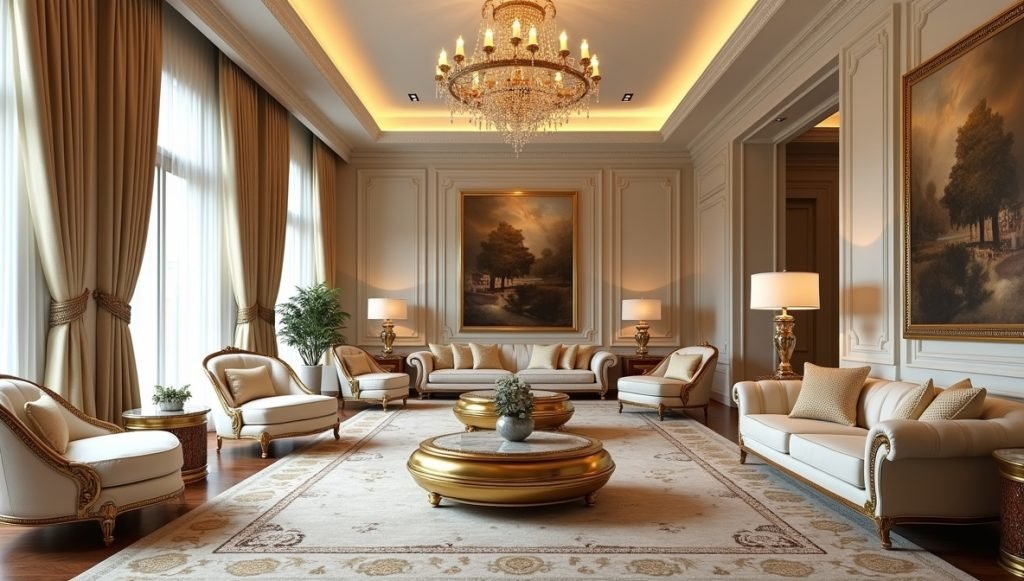
It’s less about price and more about quality, detail, and cohesion. Bespoke craftsmanship, premium materials, and intentional layouts distinguish luxury spaces from standard ones.
2. How can I add a sense of luxury without a full renovation?
Focus on lighting, textiles, and key statement pieces. Even small changes like upgrading window treatments or adding layered lighting can have a big impact.
3. Is sustainability compatible with luxury interiors?
Absolutely. High-quality, ethically sourced materials and energy-efficient systems are becoming hallmarks of modern luxury design.
4. Do I need a professional designer to achieve a high-end look?
Not necessarily, but designers bring expertise, industry contacts, and cohesion to a project. If hiring one isn’t feasible, curated resources and guides can still help.
5. What role does personalization play in luxury design?
Personalization is what makes luxury interiors truly unique. Custom artwork, tailored furniture, and family heirlooms give a space depth and authenticity.