Introduction:
Luxury interiors today are not just about opulence; they represent personal expression, timeless craftsmanship, and seamless functionality. www. luxuryinteriors.org Homeowners want more than lavish décor—they demand spaces that speak to their lifestyle and aspirations. Instead of fleeting fads, modern luxury interiors emphasize balance, quality, and individuality, crafting homes that are beautiful, livable, and future-ready.
The Evolution of Luxury Interiors
Decades ago, luxury meant ornate chandeliers, gold leaf finishes, and heavily decorated spaces. But tastes have shifted. Today’s high-end design blends understated elegance with purposeful innovation. Influences come from global cultures, artisanal methods, www. luxuryinteriors.org and cutting-edge materials. Minimalist layouts, clean lines, and curated details are replacing overwhelming grandeur. Whether it’s a penthouse or a countryside retreat, the emphasis is on creating spaces with soul, not just sparkle. jalbitehealth
The Role of Personalization
Modern luxury is deeply personal. A high-end interior should feel curated rather than catalogued. Bespoke furniture, customized lighting, and personalized art collections make spaces truly unique. Design professionals are collaborating closely with clients to understand their routines, passions, and aesthetic preferences. This human-centered approach ensures that www. luxuryinteriors.org are not only visually stunning but also intimately connected to the way people live. disquantified org
Key Elements That Define Modern Luxury
1. Quality of Materials
True luxury relies on authenticity. Natural stones, exotic woods, brushed metals, and handwoven textiles are hallmarks of high-end interiors. about luxuryinteriors.org blog Designers prioritize quality over quantity, choosing pieces that last decades rather than seasons.
2. Architectural Detailing
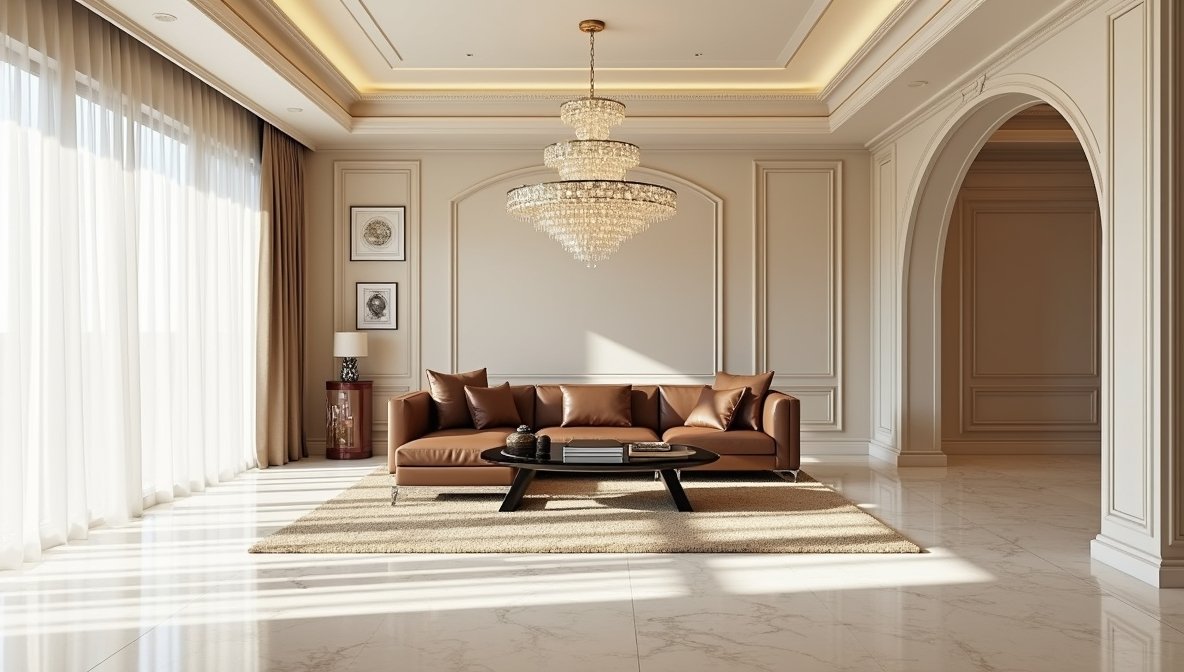
Ceiling profiles, wall paneling, and floor patterns now serve as subtle indicators of craftsmanship. These details add depth to interiors without overwhelming them. betterthisworld
3. Seamless Technology
Integrated lighting, automated climate control, and hidden audio systems make homes smarter while preserving visual harmony. The emphasis is on effortless functionality disguised within refined aesthetics.
4. Spatial Harmony
Rather than crowding a room with statement pieces, modern luxury focuses on proportion and flow. Spaces feel open yet cozy, expansive yet purposeful.
Balancing Comfort and Aesthetic Excellence
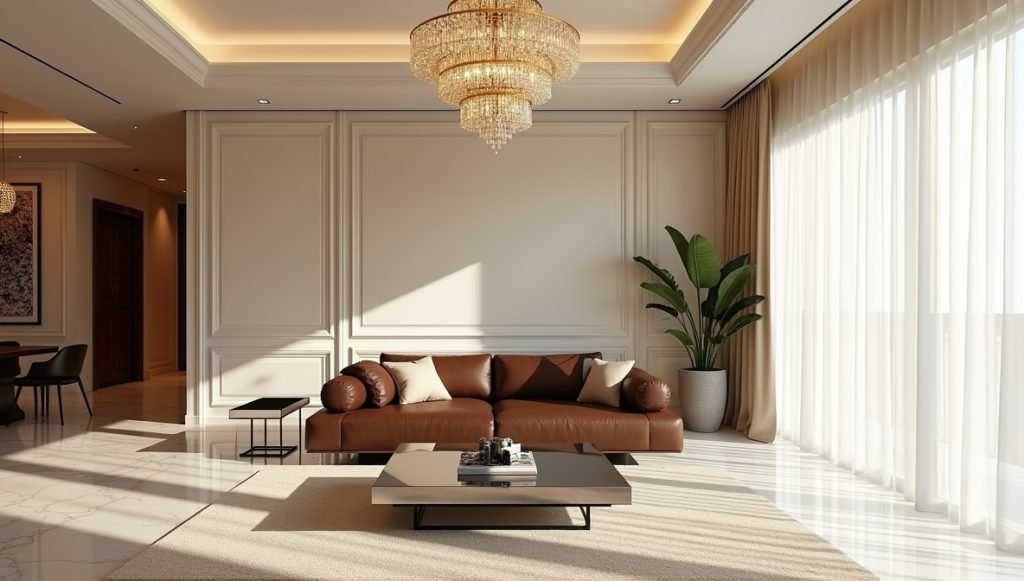
The misconception that www. luxuryinteriors.org are rigid or impractical is fading fast. Today’s designers prioritize comfort as much as aesthetics. Plush seating, soft textures, and ergonomic layouts ensure that every room feels inviting. In luxury living rooms, for instance, conversation-friendly furniture arrangements replace formal, unused spaces. In bedrooms, handcrafted bedding and ambient lighting create sanctuaries for rest rather than mere displays of wealth.
The Impact of Global Design Trends
Cultural fusion has become a defining feature of www. luxuryinteriors.org. Scandinavian simplicity merges with Italian craftsmanship, Japanese minimalism pairs with French elegance. This cross-cultural dialogue expands creative possibilities, offering homeowners spaces that reflect an interconnected world.
Sustainability as the New Luxury
Eco-conscious design is now a must-have in high-end projects. From energy-efficient lighting to reclaimed wood, sustainability enhances both the aesthetic and ethical value of interiors. This isn’t about sacrificing style—it’s about investing in design solutions that respect both people and the planet. High-net-worth clients increasingly request LEED-certified materials, low-VOC finishes, and renewable energy integration. Luxury, in this context, is synonymous with responsibility.
Art as the Heart of Interior Design
Curated art collections are no longer an afterthought. Instead, they anchor entire design concepts. Paintings, sculptures, and even digital installations serve as focal points www. luxuryinteriors.org that personalize a space and elevate its cultural value. Designers are collaborating with galleries, sourcing rare and meaningful works that reflect the homeowner’s identity.
Lighting: The Silent Luxury
Lighting defines mood, accentuates architecture, and highlights craftsmanship. Instead of a single overhead fixture, layered lighting solutions—ambient, task, and accent—create depth and drama. Modern high-end interiors employ sculptural pendants, concealed LED strips, and adaptive controls to achieve a perfect balance of practicality and elegance.
The Rise of Experiential Interiors
Today’s luxury interiors do more than look appealing—they engage the senses. Textural contrasts, aromatic materials, and carefully tuned acoustics transform spaces into immersive environments. Kitchens become culinary stages, spas feel like private retreats, www. luxuryinteriors.org and home cinemas rival professional venues. This multisensory approach reflects the broader desire for memorable experiences within the home.
The Influence of Digital Design Tools
Advanced design software and virtual reality walkthroughs are revolutionizing how clients experience interiors before they are built. These tools allow for better collaboration, quicker decision-making, and fewer surprises during construction. High-end design firms are investing in these technologies to offer transparent, interactive services to their clients.
Craftsmanship in a Mass-Produced World
Despite the availability of mass-produced furniture, true www. luxuryinteriors.org on artisanal skill. Hand-carved woodwork, tailor-made upholstery, and custom metalwork distinguish elite interiors from standard projects. This level of craftsmanship tells a story of passion and expertise, ensuring every element is both functional and collectible.
How Designers Shape Client Vision
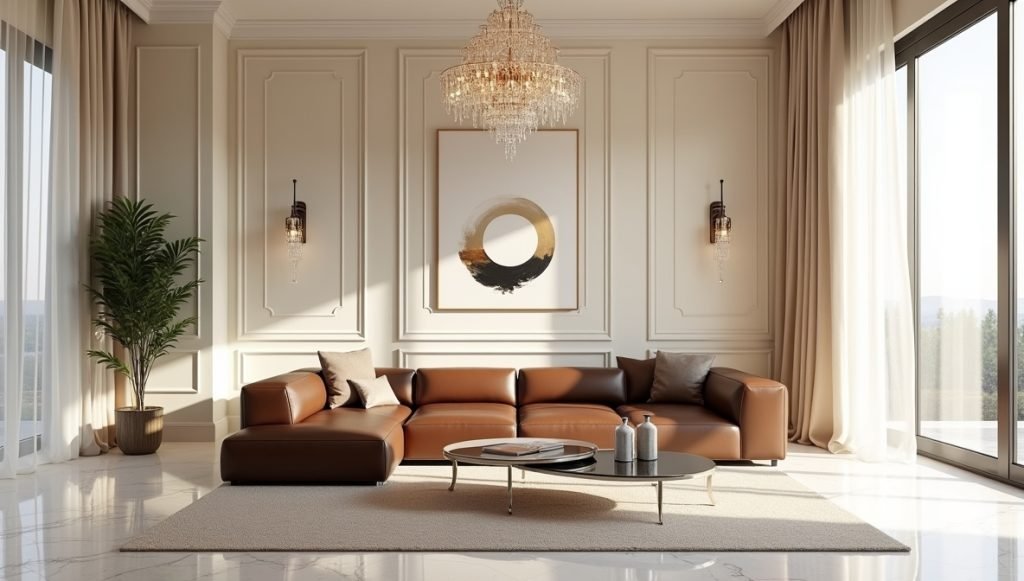
Designers serve as translators of personal taste into physical form. Through detailed consultations, they assess lifestyle needs and aspirations, then develop spaces that go beyond the client’s imagination. Rather than imposing their own style, top-tier designers adapt to each project’s unique DNA.
Challenges in Delivering Luxury
Creating a high-end interior is not www. luxuryinteriors.org without obstacles. Sourcing rare materials can take months, custom pieces require precise coordination, and ensuring quality across multiple suppliers demands rigorous oversight. Yet these challenges are exactly what separate standard interiors from exceptional ones—the process itself becomes an expression of luxury. mygreenbucks
Case Studies of Contemporary High-End Spaces
- Urban Penthouses: Blending panoramic views with minimalist interiors for a sophisticated city lifestyle.
- Coastal Villas: Focusing on natural light, organic textures, and unobtrusive luxury.
- Mountain Retreats: Using rustic stone, warm wood, and modern design to achieve an upscale yet cozy ambience.
These examples illustrate that luxury is not a single formula but an adaptable concept tailored to context and personality.
The Future of Luxury Interiors
In the next decade, expect even greater emphasis on customization, ethical design, and technology. AI-assisted design, smart material innovation, and immersive reality will allow www. luxuryinteriors.org homeowners to experiment with interiors in unprecedented ways. Sustainability will no longer be optional—it will define luxury itself.
Conculsion
In today’s fast-evolving design world, creating timeless yet functional spaces demands innovation, precision, and an eye for detail. Whether it’s elegant living rooms, bespoke kitchens, or statement interiors, the journey toward excellence begins with a clear vision and trusted expertise. Platforms like www. luxuryinteriors.org stand as a testament to how high-quality design resources and insights can help turn creative aspirations into reality, offering inspiration and guidance to transform any space into a masterpiece.